
2026 Galaxy Community Conference (GCC2026)
The annual gathering of the Galaxy Community with opportunities to hear latest developments, get training, and meet everyone involved.
GCC2026 Fellowships
We are pleased to offer several fellowship opportunities to support attendance at the Galaxy Community Conference 2026 in Clermont-Ferrand, France. These awards will help early-career researchers and new Galaxy users participate in this premier event.
JJ Fund Travel Fellowships
We are please to annouce the two awardees of the JJ Fund !

Zarlish Attique is a Bioinformatics Analyst (Level III) at Ayass Bioscience, USA (remote from Pakistan), specializing in large-scale transcriptomic and functional genomics with an emphasis on reproducible, workflow-driven computational biology. Her work focuses on the development of end-to-end, scalable pipelines for total RNA-seq (bulk and single-cell), CRISPR pooled and perturbation screens, and multi-omics integration, leveraging Nextflow, Linux-based environments, and cloud computing frameworks. She has engineered FASTQ-to-gene-effect systems integrating differential expression, guide-level enrichment and dysregulation, dependency-informed gene essentiality, and drug perturbation modeling to enable causality-driven therapeutic prioritization. Zarlish holds an MPhil in Bioinformatics from Quaid-i-Azam University (Chancellor Fellowship recipient) and a BS in Bioinformatics (Gold Medalist), and her research spans cancer genomics, including pancreatic and metastatic breast cancer, where she applied integrative multi-omics and deep neural network models (PCP-DNN) to identify regulatory hubs and mutation-agnostic drivers of disease progression. She has contributed to multiple peer-reviewed publications in immunoinformatics, computational drug discovery, and machine learning-based disease modeling, and is currently advancing agentic AI-driven frameworks for biomarker discovery and clinical decision support.
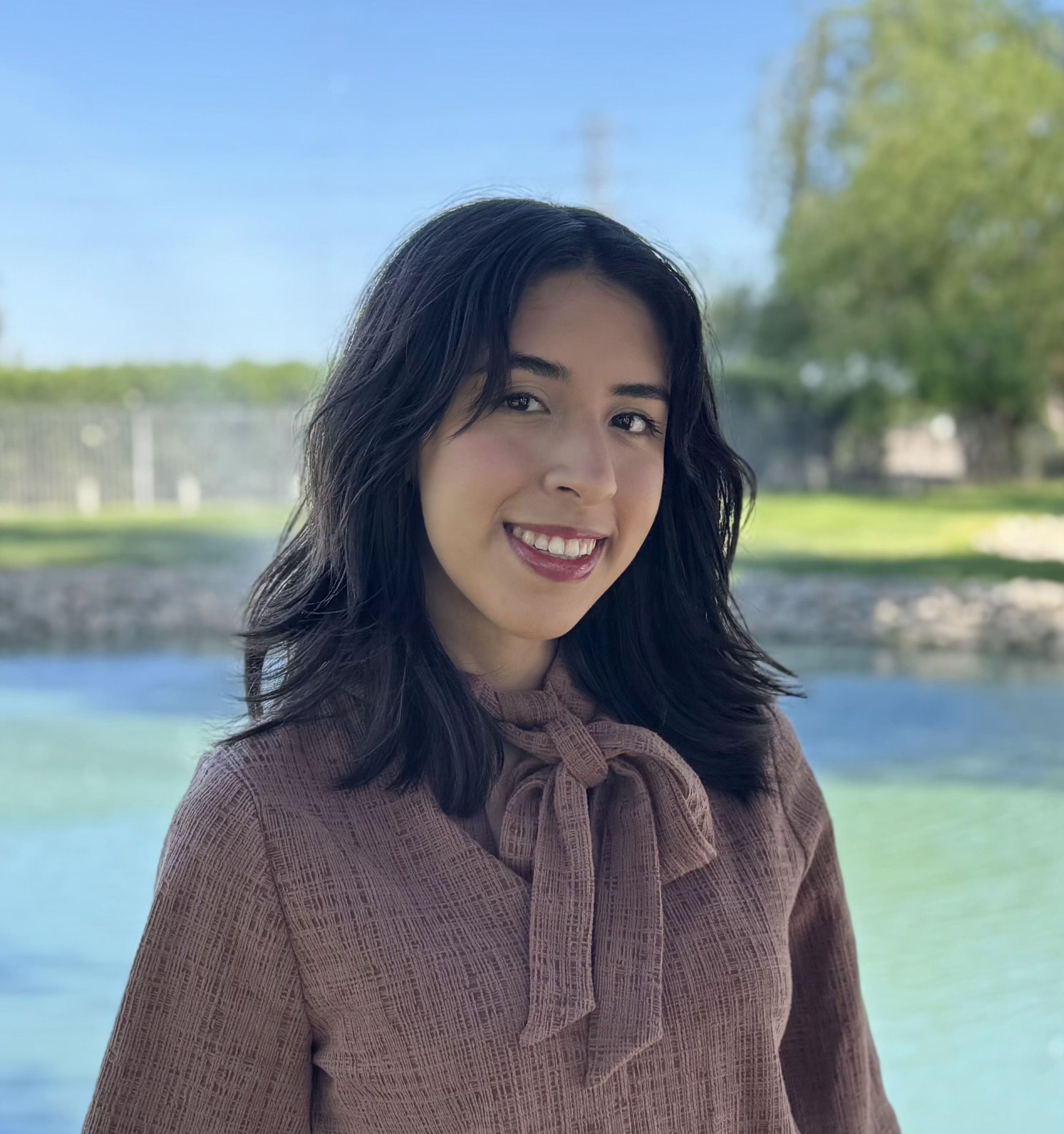
Priscilla Garcia is a Master’s student in Biological Sciences at California State University, Stanislaus, where she conducts research under the supervision of Dr. Tricia Van Laar. Her work focuses on how land use and seasonal hydrology influence microbial community composition and antibiotic resistance genes in freshwater systems, using a combination of field sampling, quantitative PCR, and sequencing approaches. She is particularly interested in microbial ecology, water quality, and applying bioinformatics tools to environmental systems.
In addition to her research, Priscilla is a Graduate Teaching Fellow, where she teaches biology laboratory courses and occasionally covers microbiology lectures. Through both teaching and research, she has developed a strong interest in connecting molecular tools with real-world environmental challenges.
Priscilla plans to pursue a Ph.D. in microbiology or bioinformatics, with a focus on environmental systems and antibiotic resistance. Outside of research, she enjoys spending time with her Chihuahua.
JXTX Foundation Scholarships
We are pleased to annouce the 3 awardees of the JXTX Foundation scholarships !
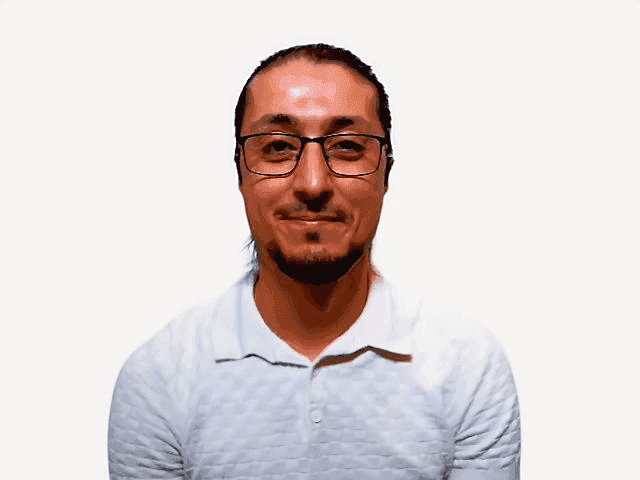
Daniel Golparian is a Scientific Officer at the WHO Collaborating Centre for Gonorrhoea and Other STIs in Örebro, Sweden, and is affiliated with Örebro University Hospital, Örebro, Sweden. His research focuses on microbial genomics and antimicrobial resistance in Neisseria gonorrhoeae, with an emphasis on genomic surveillance, molecular epidemiology, and the evolution and spread of resistant lineages. He has contributed to international research on sexually transmitted infections and the application of genomics in public health microbiology.
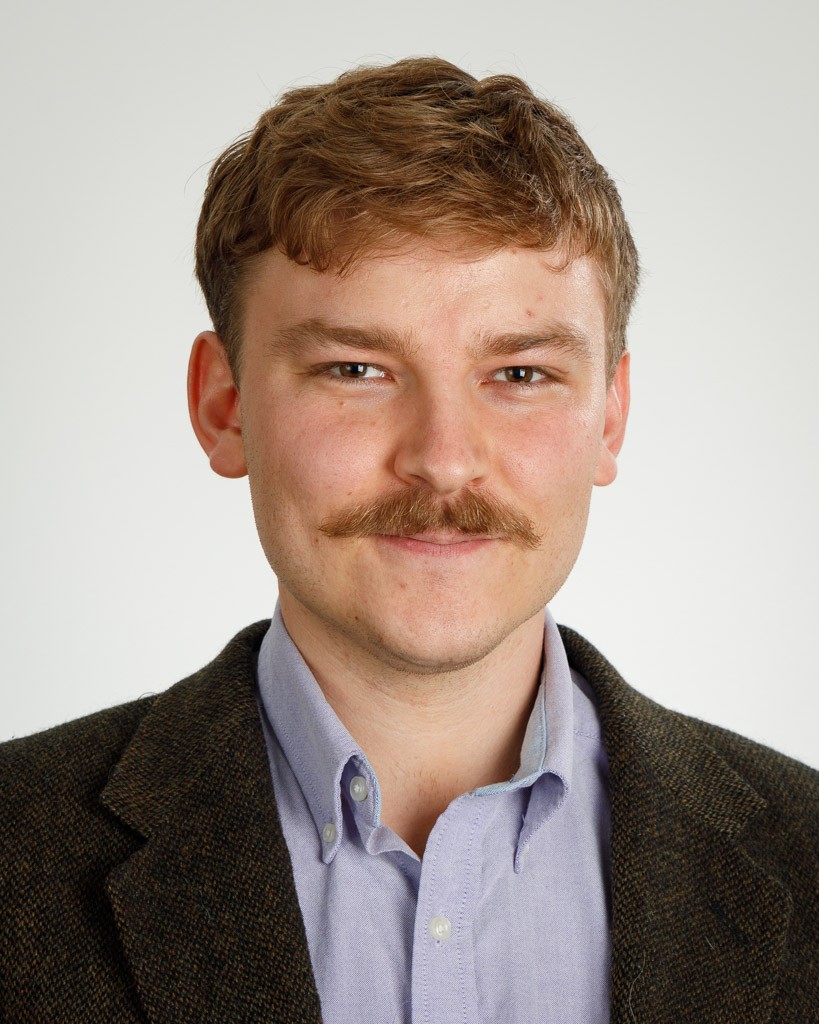
Finn Beruldsen is a Ph.D. candidate in Biochemistry at the University of Houston whose work sits at the interface of molecular dynamics, computational immunology, and software development. He builds computational tools that help researchers better understand T-cell systems and make sense of complex simulation data, with a particular focus on RMSX and Flipbook for high-resolution analysis and visualization of protein motion in time and space. His broader research interests focus on building scientific software that makes complex biological data easier to interpret and more useful.
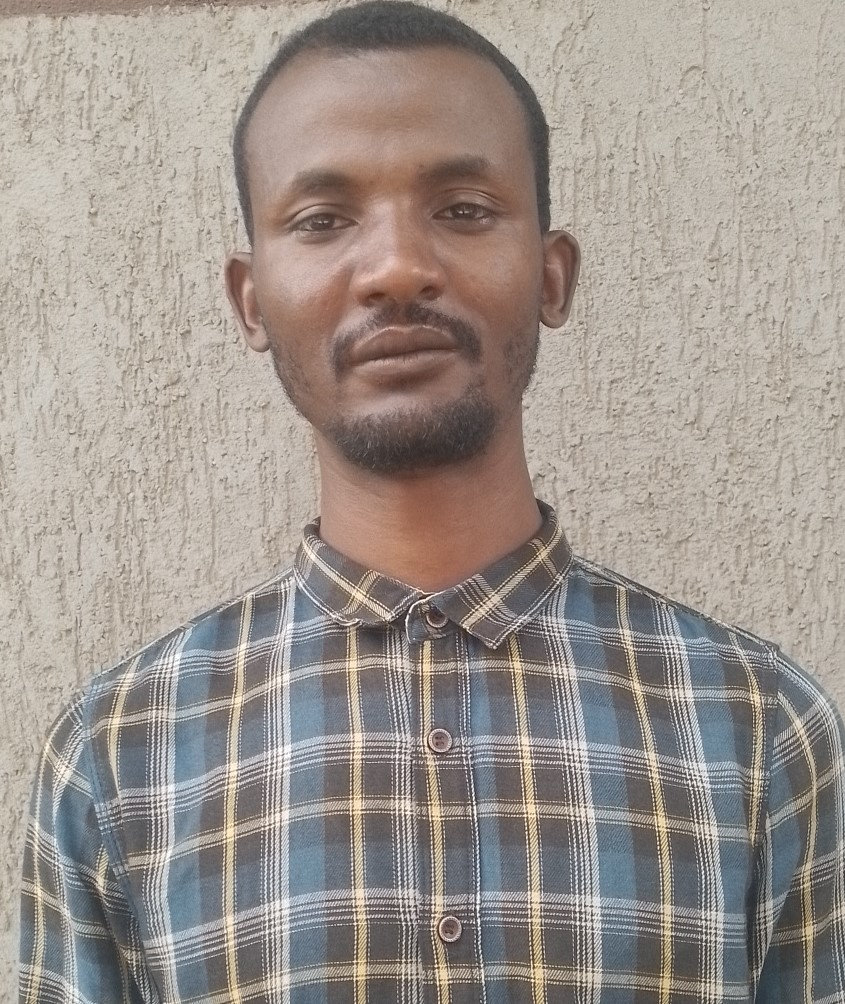
Olyad Erba Urgessa is an Assistant Professor and Senior Lecturer at Haramaya University, Ethiopia, currently pursuing a PhD in Animal Biotechnology at Adama Science and Technology University (ASTU). With over 13 years of academic experience, Olyad specializes in biotechnology and sustainable animal production solutions. His current research focuses on the “Omics” revolution in animal biotechnology, specifically feed enzyme production. As a JXTX Scholar, Olyad is dedicated to leveraging computational biology and Galaxy-based workflows to advance genomic research and mentorship in East Africa.
Galaxy Community Fund Scholarships
We are pleased to annouce the 18 awardees of the Galaxy Community Fund Scholarships (including 10 virtual 4 registration and 4 travel and registration) !
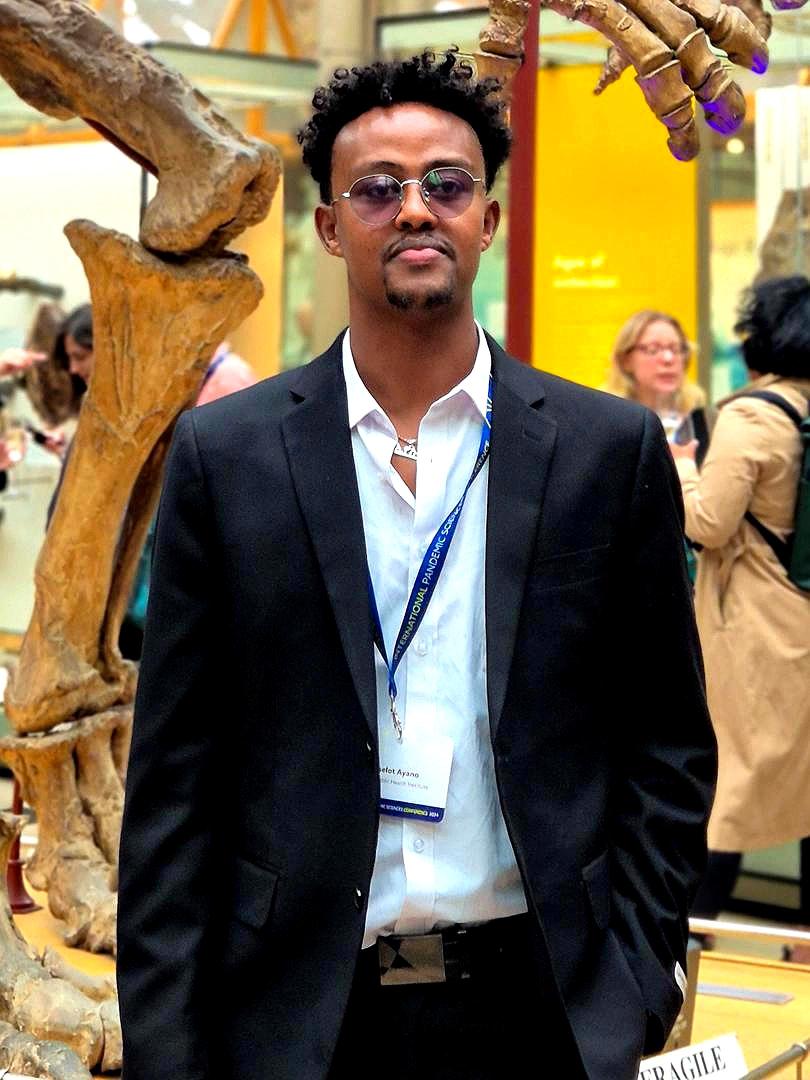
Betselot Zerihun Ayano is a Bioinformatician at the Ethiopian Public Health Institute (EPHI), specializing in pathogen genomics and bioinformatics. He has contributed to infectious disease research, including tuberculosis and emerging viral and bacterial pathogens, with experience supporting outbreak investigations such as Marburg virus disease through genomic analysis to inform public health response.
His current work focuses on integrated bacterial genomics in Ethiopia by linking genomic and epidemiological data to strengthen antimicrobial resistance (AMR) surveillance and support public health decision-making. He is also committed to building bioinformatics capacity and advancing genomic epidemiology in Ethiopia.
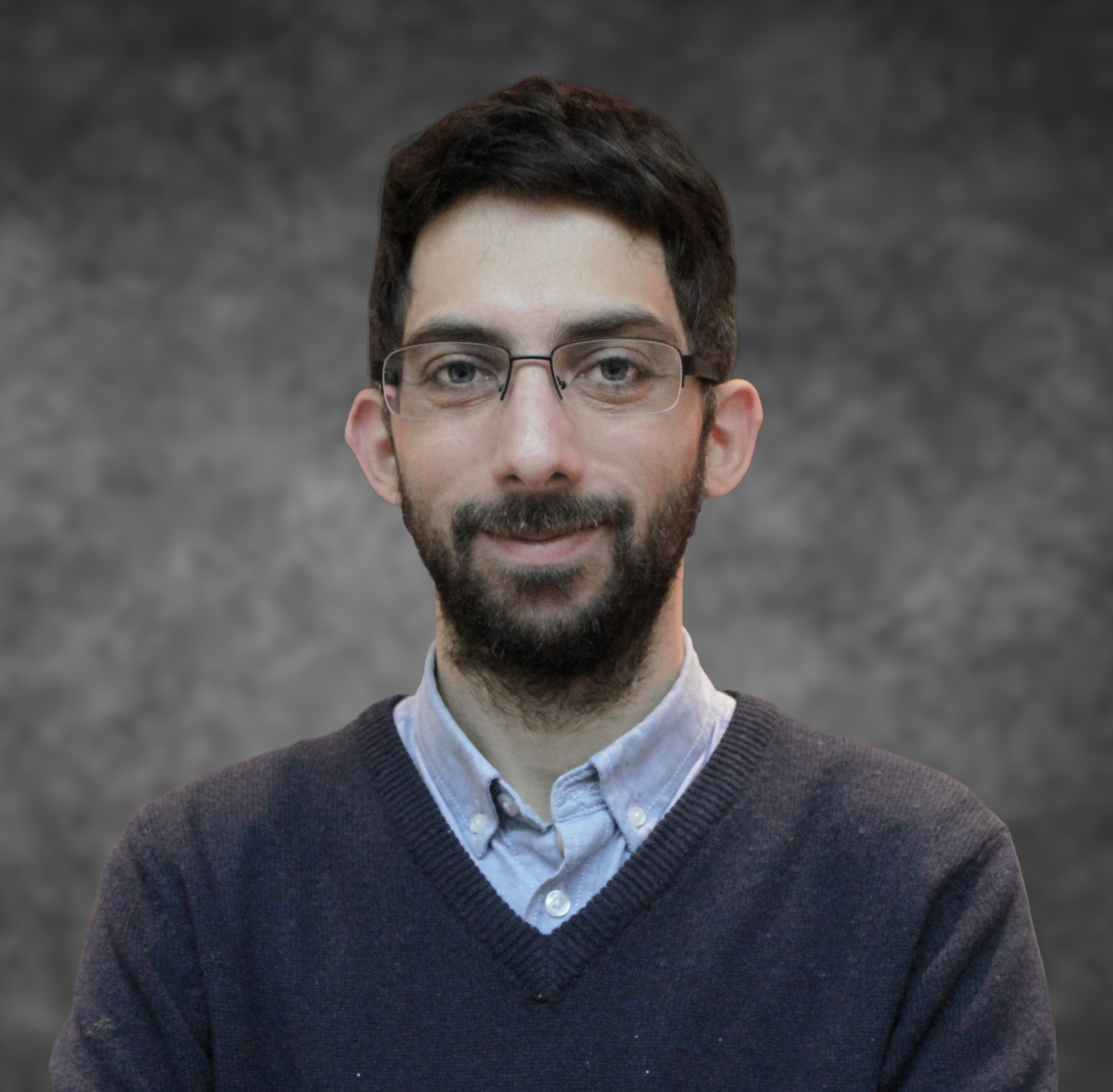
Kevin Rue-Albrecht is a researcher in single-cell biology and user-friendly genomic data analysis. He holds a Ph.D. in Computational Infection Biology from University College Dublin and has contributed to a wide range of high-impact biomedical research projects. He has led the development of several bioinformatics software packages for the analysis and interactive visualisation of diverse omics data types, including the interactive SummarizedExperiment Explorer (iSEE) framework.
A long-time contributor to the Bioconductor project and an active community leader, he has played a key role in shaping initiatives that support sustainable open-source software, as well as mentoring and training in computational biology. He is a 2026 Software Sustainability Fellow and, since April 2026, leads a BioFAIR Pathfinder project focused on improving software discoverability in the life sciences.
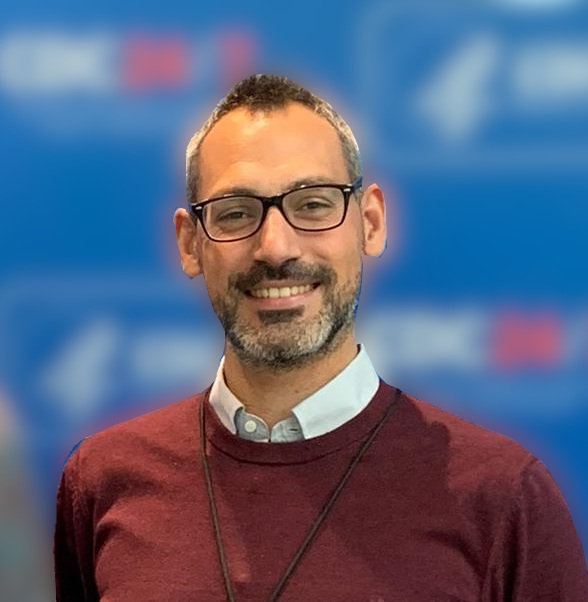
Dr. Walter Randazzo focused his career on understanding how to prevent and control foodborne pathogens with the final goal of protecting public health by developing and evaluating novel strategies, technologies and processes. W. Randazzo received his BSc, MSc degrees in Agricultural Science and Food Technology (2009; 2012), and an International PhD in Agricultural Microbiology from the University of Palermo (Italy) (2015). He developed his research portfolio at UCC (Ireland), UPV (Spain), University of Valencia (Spain), Centre for Disease Prevention and Control (GA, USA), and IATA-CSIC (Spain) focusing on foodborne bacterial and viral pathogens. He has greatly contributed to develop methods for enteric virus detection in food and environment During 2020-22, he supported the Spanish SARS-CoV-2 wastewater-based epidemiology program validating a standard operating procedure for SARS-CoV-2 RNA detection implemented nationwide. Since Dec 2023, he is Principal Investigator of SafEATS group at the Institute of Agrochemistry and Food Technology (IATA) center of the National Research Council (CSIC). Dr. Randazzo has published more than 67 (WoS) scientific papers in high-rated Journals, with an h-index of 31 (WoS) and more than 3700 citations (Scopus). He contributed to 3 book chapters and presented more than 74 communications at congresses. He regularly contributes to editorial activities as reviewer, as Associated Editor for the Food Science and Technology International and Food Humanity journals, and as an external project evaluator for multiple international agencies. He attracted >650k € in research founds as PI and participated as a team member in 18 competitively funded (3 EU, 4 US, 8 Spain, 3 Italy) and 24 projects with private companies. He supervised 3 PhD, 34 MSc or BSc, and more than 10 visiting students. Dr. Randazzo is a member of several scientific societies (e.g., World Society for Virology, International Society of Food and Environmental Virology, European Virus Bioinformatics Center, SEM, IAFP), and scientific national networks (Red OneHealth4Food, Red PLASpain). He is currently the Chair of the Food Safety working group of the Plataforma Tecnológica Food for Life-Spain (PTF4LS). His research focuses on microbiological food safety by integrating well-stablished laboratory methods with novel strategies to prevent foodborne illness.

Prabhat Tripathi is an aspiring bioinformatician with a strong focus on computational biology, cancer research, and artificial intelligence. His work primarily revolves around the analysis of next-generation sequencing (NGS) data and the design of anti-cancer peptides, aiming to contribute to the development of novel therapeutic strategies for breast cancer.
He has experience in building biological databases and developing web-based platforms using tools such as Flask and MySQL. His research integrates bioinformatics, machine learning, and cheminformatics, utilizing libraries like Biopython and RDKit to analyze peptide properties and predict drug potential.
Prabhat is deeply interested in generative AI applications in bioinformatics, particularly in designing and optimizing peptide sequences with enhanced anti-cancer activity. He is also actively expanding his expertise in protein modeling, molecular docking, and molecular dynamics simulations.
Through his work, he aims to bridge the gap between computational approaches and real-world biomedical challenges, contributing to precision medicine and next-generation drug discovery.
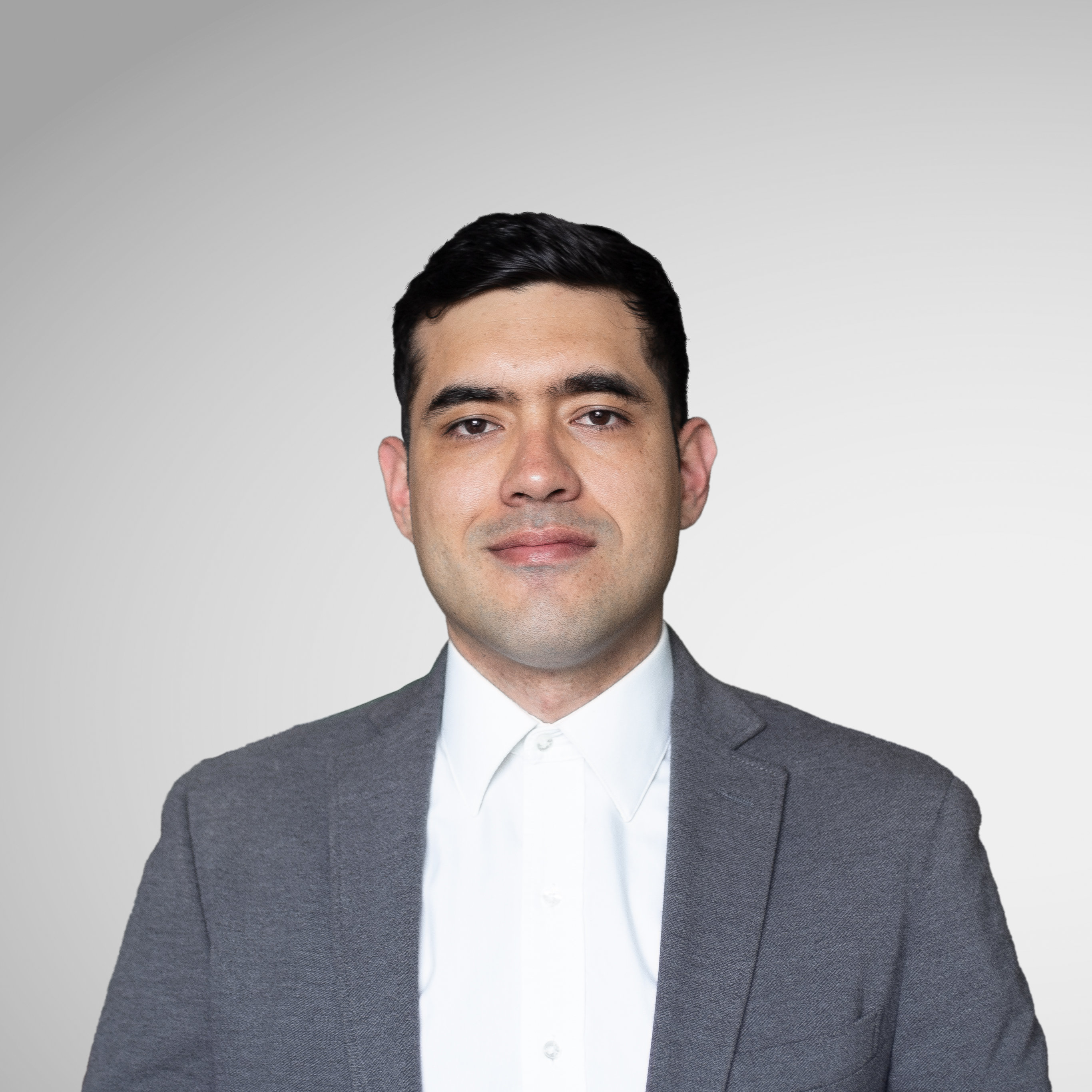
Victor Lopez Rodriguez is a board-certified Medical Geneticist with a fellowship in ophthalmic genetics based in Mexico City, currently serving as a University Professor at Westhill University’s Faculty of Medicine and as a Master of Medical Sciences candidate at the Universidad Nacional Autónoma de México (UNAM). He is particularly interested in leveraging advanced genomic data analysis tools to improve diagnostic precision for rare genetic disorders.

Omnia A. Elnasser is a bioinformatics specialist, researcher, and teaching assistant with a strong focus on tissue bioengineering, regenerative medicine, and next-generation sequencing (NGS). She is currently working at the Tissue Bioengineering Department while also serving as a teaching assistant at the German University, where she mentors and trains students in bioinformatics and advanced molecular techniques. Omnia’s research bridges biotechnology and computational biology, with particular expertise in drug delivery systems, chronic wound healing, and microbiome-basedtherapies. She is a published author in Scientific Reports (Nature), contributing to innovative therapeutic formulations for antimicrobial and wound care applications. Her current work includes advanced studies in 3D bioprinting for facial muscle reconstruction and disease prediction using single-cell data through foundation models. Beyond academia, Omnia is the founder of Omnigenics, a biotechnology and bioinformatics initiative focused on education, research, and innovation. Through Omnigenics, she develops and delivers specialized training programs, including R programming and NGS analysis, empowering the next generation of scientists with practical, industry-relevant skills. She is also actively involved in science communication and digital health content creation. Omnia manages medical and aesthetic content for wellness platforms and is the creator of the upcoming LinkedIn newsletter “Daily of Scientist,” where she shares insights on bioinformatics, research, and career development in science. With a vision to build a leading biotechnology company, Omnia aims to integrate bioinformatics, regenerative medicine, and material-based innovation to create impactful healthcare solutions. She is passionate about education, entrepreneurship, and advancing personalized medicine, positioning herself as a rising voice in the future of biotechnology.
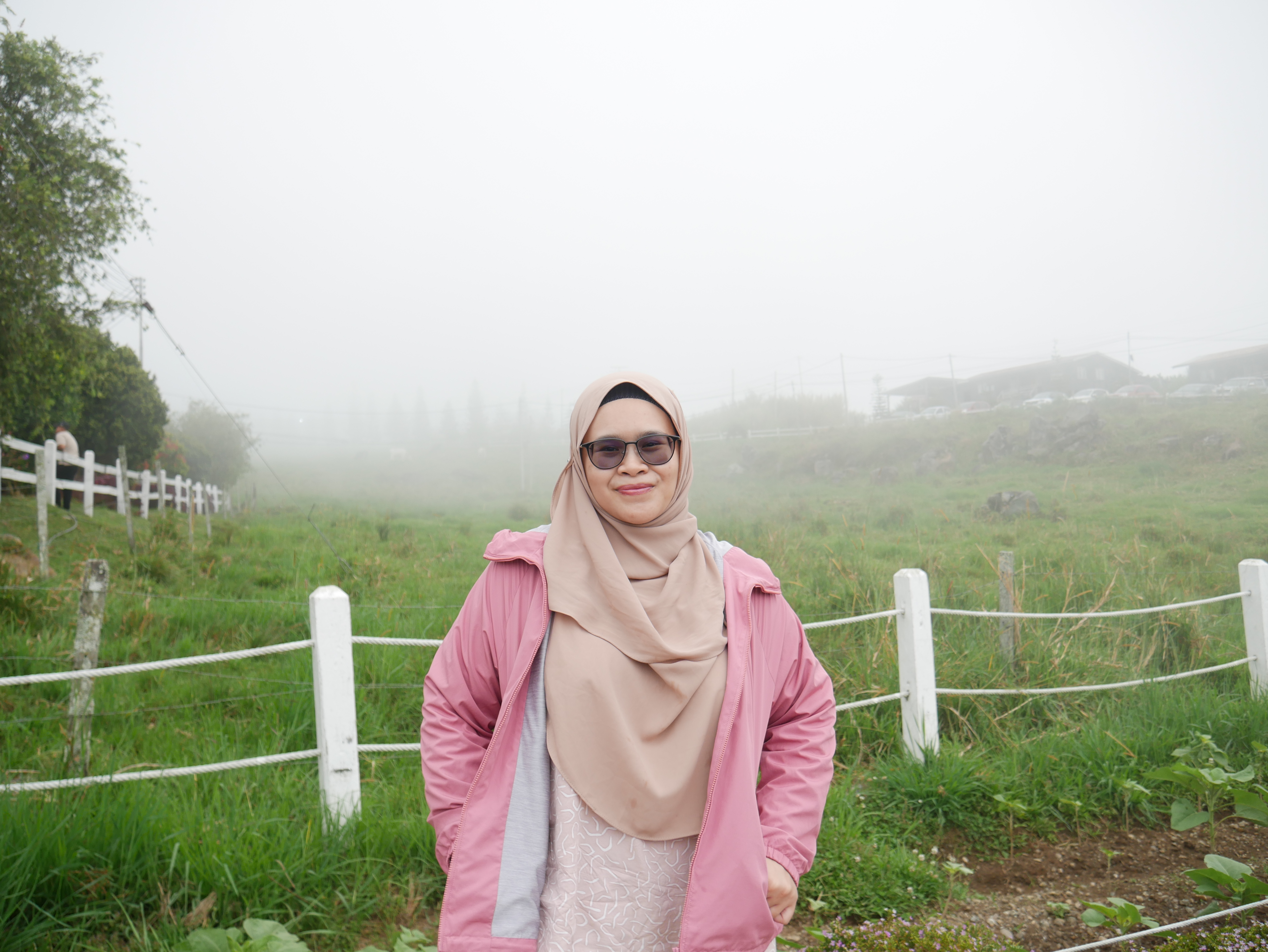
Nadia Afandi is a PhD candidate in biosciences and bioinformatics at the International Islamic University Malaysia. Specializing in bacterial diseases in aquaculture. Her research investigates the bacterial community in the Pahang River and their impact on aquaculture sustainability, specifically in pathogen identification with virulence factors, and antimicrobial resistance (AMR) genes using bioinformatics tools.
She utilizes the Galaxy platform for bioinformatics analyses, supporting her study including data quality analysis, pathogen identification, and AMR profiling. As a recipient of the GCC scholarship award, Nadia is committed to apply bioinformatics for future aquaculture research and contributing to the global Galaxy community.
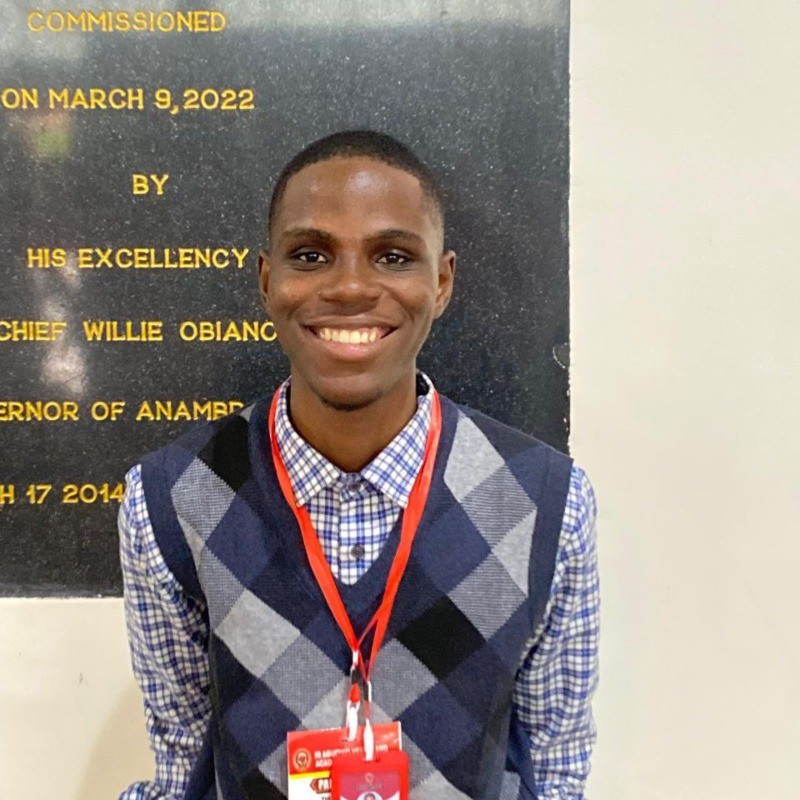
Oluwapelumi Solagbade is a medical student and computational researcher at Obafemi Awolowo University in Nigeria, specializing in computational neuroscience and cognitive neurology. He is driven by a vision to build a multiscale understanding of the brain and its disease mechanisms, integrating spatial transcriptomics (omics) with macro-level neuroimaging. Deeply invested in global health equity, Oluwapelumi develops accessible, reproducible computational pipelines to empower researchers in resource-limited settings to analyze complex datasets. Beyond his technical research, he is the Co-founder and Director of the NeuroAspire Initiative, a youth-led organization democratizing neuroscience education in Nigeria.

Riccardo Caccia is a Medical Biotechnologist currently completing a Joint Master’s degree in Bioinformatics between the University of Milan and Politecnico di Milano. Working at the intersection of life sciences and high-performance computing, he is contributing to the Laniakea project within the ELIXIR-Italy framework. His work focuses on cloud orchestration and infrastructure automation, specifically designed to make Galaxy deployments seamless and accessible for the international research community.
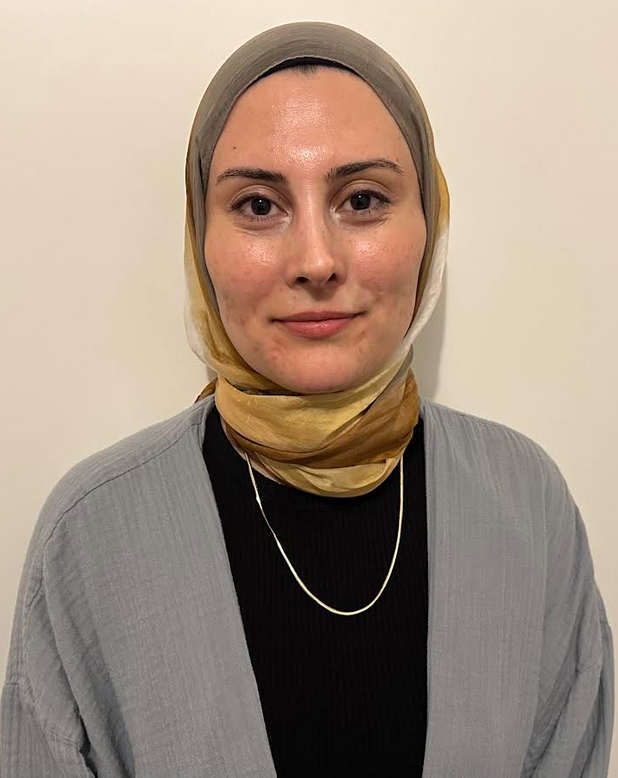
Leman Nur Nehri completed her BSc, MSc, and PhD degrees in Biological Sciences at Middle East Technical University (METU). During her PhD, she focused on mathematical and computational modeling of colon cancer metastasis. She is currently a postdoctoral researcher at the University of Applied Sciences and Arts Northwestern Switzerland (FHNW), working on pancreatic and ovarian cancer modeling and translational oncology. Her research focuses on how alternative splicing reshapes the tumor microenvironment and influences metastasis. She investigates these processes using simulation and analytical approaches based on Bayesian and Markov probabilistic frameworks integrated with multi-omics data. In addition to her academic work, she provides bioinformatics and biological modeling consultancy to European pharmaceutical companies, particularly in therapeutic target discovery in immune hot and cold tumors.
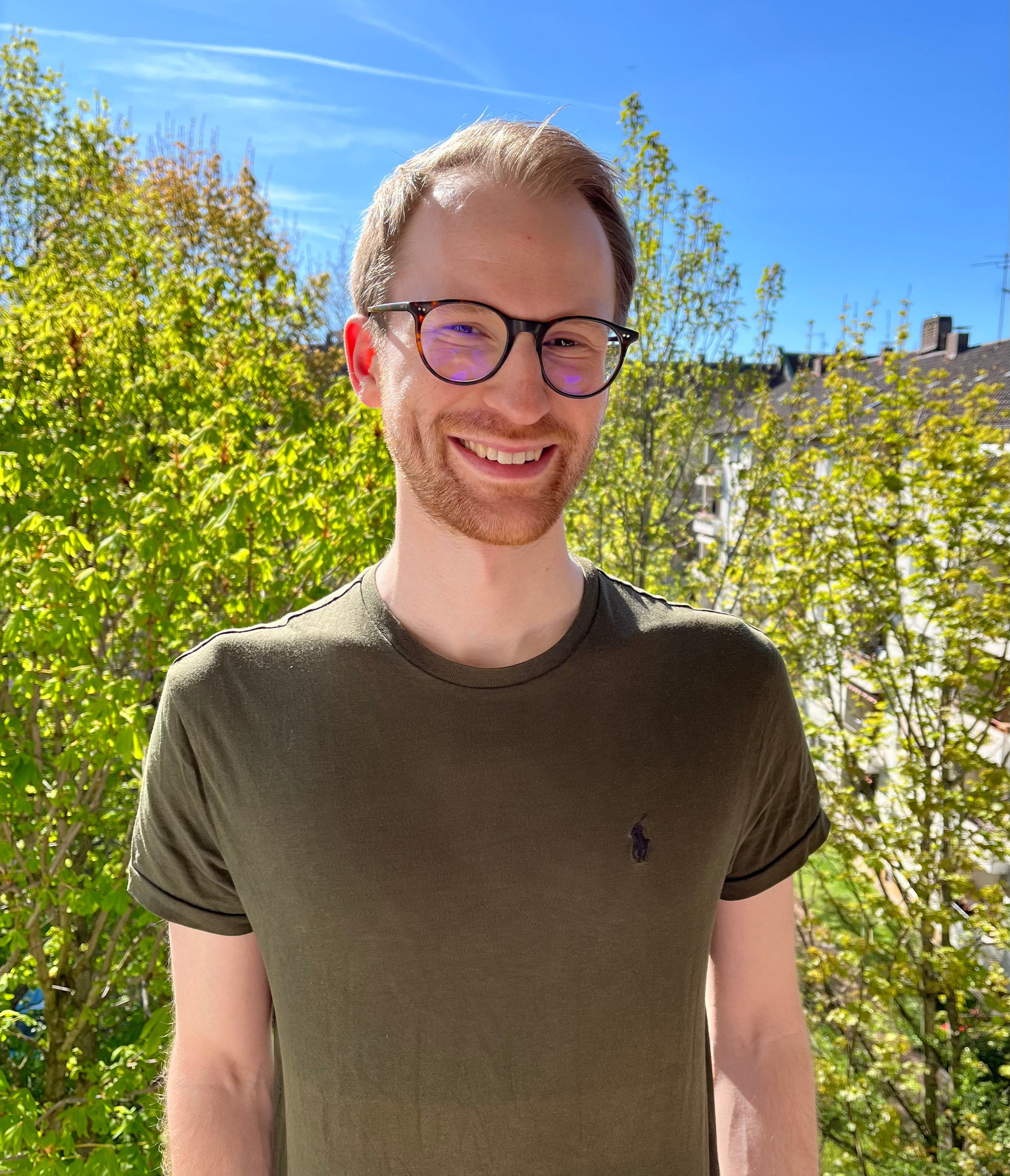
Niklas Mayle is studying molecular medicine and is currently pursuing his Master’s degree in the Galaxy Team at the Albert Ludwigs University in Freiburg, Germany. Within his studies, he now specializes in bioinformatics, with a particular passion for exploring pangenomes and their application in personalized medicine. In his free time, he enjoys cooking, hiking outdoors, and developing mobile apps.
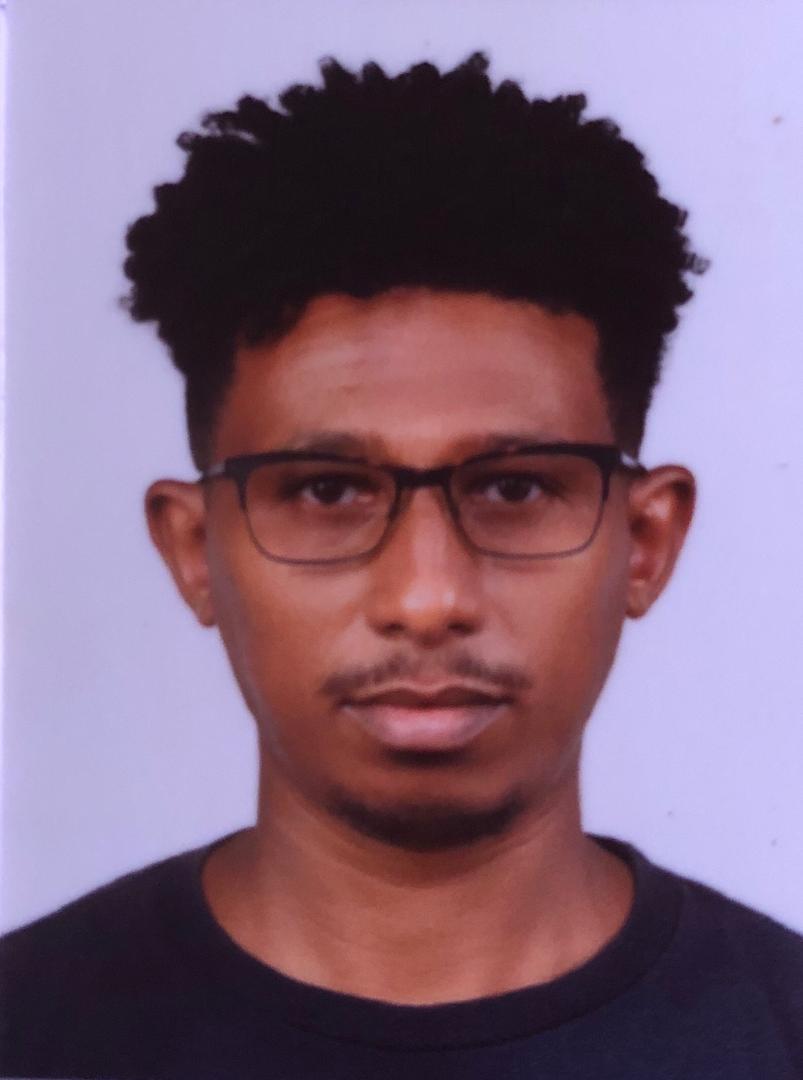
Abel Asghedom is an MSc student in Plant Breeding at Makerere University, Uganda, with a background in plant protection and crop improvement. He previously worked at the National Agricultural Research Institute (NARI) in Eritrea from 2013 to 2022, where he gained extensive experience in agricultural research and field-based crop improvement. His current research focuses on identifying genomic regions associated with disease resistance using phenotypic and molecular data. He has strong experience in field experimentation, statistical analysis, and working with diverse germplasm. Abel is passionate about developing resilient crop varieties and applying modern breeding approaches to improve agricultural productivity and food security in sub-Saharan Africa.
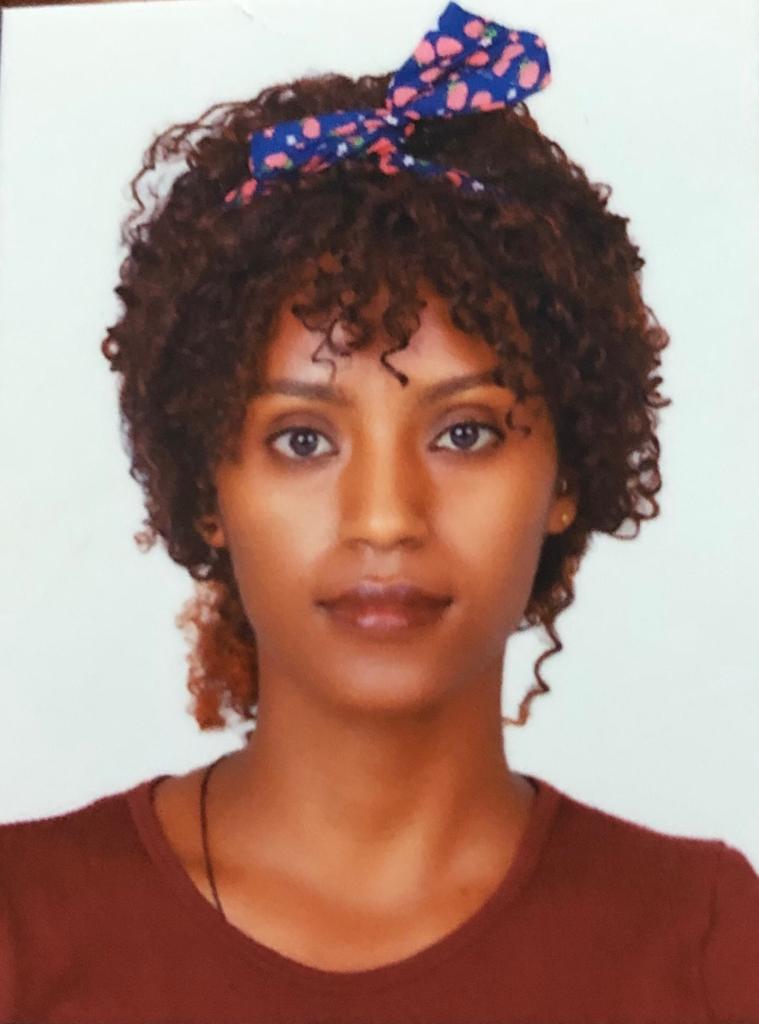
Semhar Yohannes is an Eritrean plant scientist currently pursuing a Master’s degree in Plant Breeding and Seed Systems at Makerere University, Uganda. She earned a Bachelor of Science in Horticulture and worked at the National Agricultural Research Institution in Eritrea (2016–2022), focusing on horticultural crops. Her interests include plant breeding, seed systems, and improving crop productivity to support sustainable agriculture and food security. She was also selected as a virtual participant for the Galaxy Conference 2025 in France.

Umesh Bhati is a computational biologist at the Studio of Computational Biology & Bioinformatics (SCBB), BIC, Biotechnology Division, CSIR - Institute of Himalayan Bioresource Technology in Palampur (Himachal Pradesh), India. His research integrates systems biology and deep learning to understand molecular interactions across biological scales. His work spans DNA–DNA interactions using Hi-C based DL models, transcription factor–DNA binding, and protein–protein interactions, combining sequence, structural, and physicochemical insights. He focuses on moving beyond sequence similarity to uncover generalizable biophysical principles of molecular recognition. He has developed integrative, multi-omics frameworks that incorporate transcriptomics, structural predictions, and network biology to reconstruct condition-specific interaction networks in complex systems. His research also emphasizes explainable AI to ensure mechanistic interpretability of deep learning models. Umesh’s work has been published in reputed journals, including Plant Communications and Briefings in Bioinformatics. He is driven by a strong interest in applying AI to decode dynamic cellular systems and uncover hidden regulatory mechanisms.
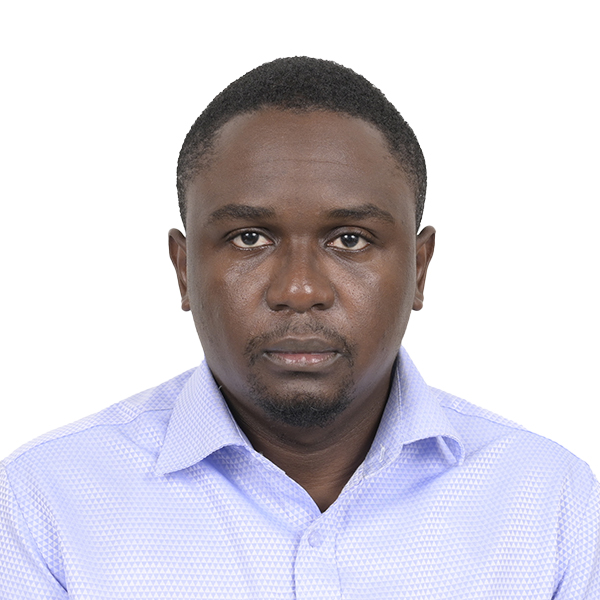
Dr. Fabien Zimbombe Vulu is a medical doctor and researcher specializing in tropical medicine, medical entomology, and infectious disease. He is currently a Postdoctoral Research Associate affiliated with the University of Kinshasa and the National Institute of Biomedical Research (INRB) in the Democratic Republic of the Congo, where his work focuses on malaria genomic surveillance and the analysis of antimalarial drug resistance markers. He also completed a postdoctoral fellowship at the University of North Carolina at Chapel Hill (USA), where he further advanced his work on the genomic analysis of antimalarial drug resistance.
Dr. Vulu obtained his PhD in Infection Research from Nagasaki University (Japan), where his research investigated the geographic distribution and population genetics of Aedes albopictus in the Democratic Republic of the Congo. Dr. Vulu has extensive experience in both field and laboratory research on vector-borne diseases, including malaria, dengue, and chikungunya. His work integrates molecular biology, epidemiology, and bioinformatics to better understand disease transmission and inform control strategies in resource-limited settings. He has contributed to multiple international collaborations and has authored several peer-reviewed publications on malaria and arbovirus vectors in Central Africa, including recent work on malaria cohort studies and the expansion and virome diversity of Aedes mosquitoes in the region.

Joe is a bioinformatician at InforBio, the bioinformatics platform of the Institut de Biologie Paris Seine at Sorbonne University. Joe has developed a particular interest in small non-coding RNAs (sncRNAs).
After obtaining an MSc in Bioinformatics from Université Claude Bernard Lyon 1, he studied the role of non-coding RNAs in the auto-regulatory mechanisms of the bacterium Clostridioides difficile during infection at the Institute for Integrative Biology of the Cell (Gif-sur-Yvette, France). He is currently involved in the Birth of piRNA clusters (BiopiC) project, where he investigates the emergence and activation of piRNA clusters. piRNAs, transcribed from these clusters, are a class of sncRNAs involved in the silencing of transposable elements, and are essential for maintaining genome stability in the germline. As this phenomenon is closely related to histone modifications, his work includes the analysis of ChIP-seq data.
In this context, he is developing a ChIP-seq analysis tool suite and associated workflows on the Galaxy platform. Through this work, Joe aims to provide accessible and reproducible analysis frameworks, along with training materials for the Galaxy Training Network, to support collaborators and the broader scientific community. He looks forward to participating in GCC2026 to connect with the Galaxy community, share insights, and further develop his expertise in collaborative and reproducible research.
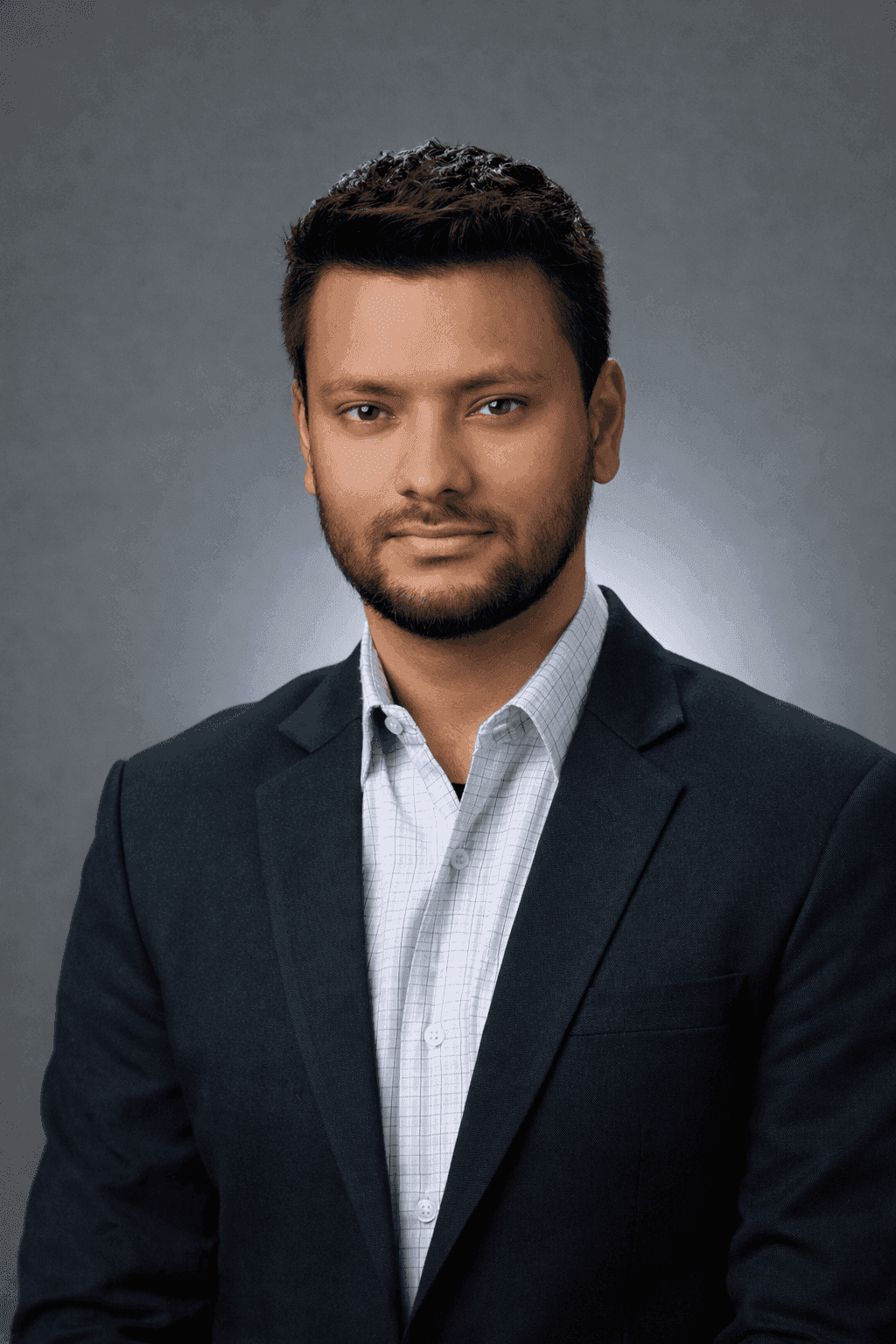
Shubham Koirala is a researcher in genetics and computational biology, currently pursuing a Ph.D. in Genetics and Genome Sciences Program at Michigan State University. His work focuses on applying machine learning and data-driven approaches to understand complex diseases with an emphasis on biomarker discovery and precision medicine.
Originally from Nepal, Shubham completed his undergraduate studies in biotechnology at Kathmandu University, where he developed a strong foundation in molecular biology and bioinformatics. He later expanded his expertise by integrating computational techniques with biological research, enabling him to work at the intersection of data science and life sciences. His research interests include transcriptomics, genomics, and the use of artificial intelligence to uncover patterns in large-scale biomedical data. Through his work, he aims to contribute to more accurate diagnostics and personalized treatment strategies.
GTA2026 Scholarship Awardees
We are pleased to announce the 17 awardees of the GTA2026 Scholarship, which supports virtual participation in GCC2026 for participants from the Galaxy Training Academy 2026 community.
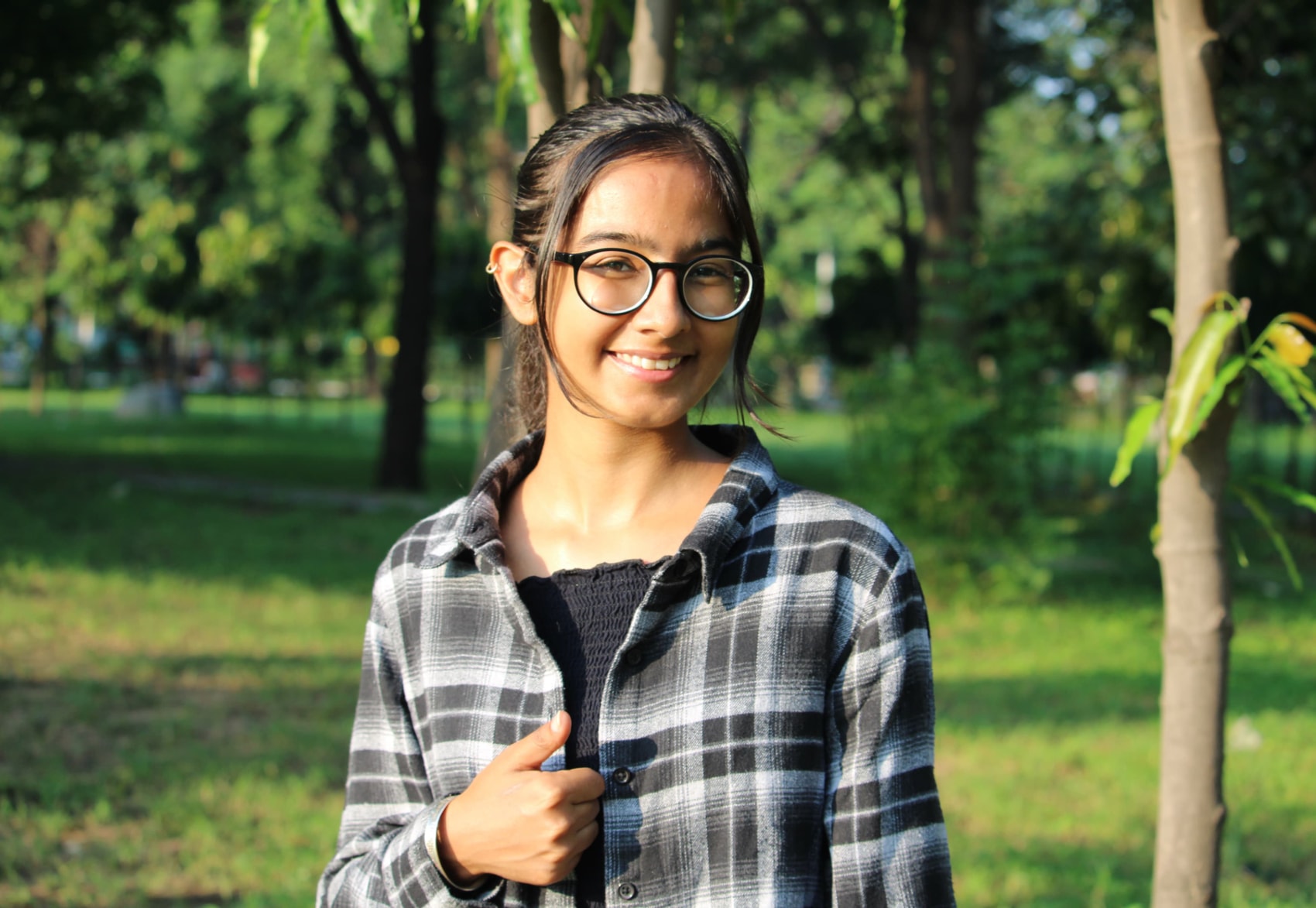
Parul Bhayana is a B.Sc. Biotechnology student from India with a strong interest in bioinformatics, genomics, and computational biology. Through participation in Galaxy Training Academy 2026, Parul has been gaining hands-on experience with Galaxy workflows, next-generation sequencing data analysis, and introductory transcriptomics. Parul is interested in pursuing advanced studies and research in bioinformatics and is excited to engage with and learn from the global Galaxy community through GCC2026.
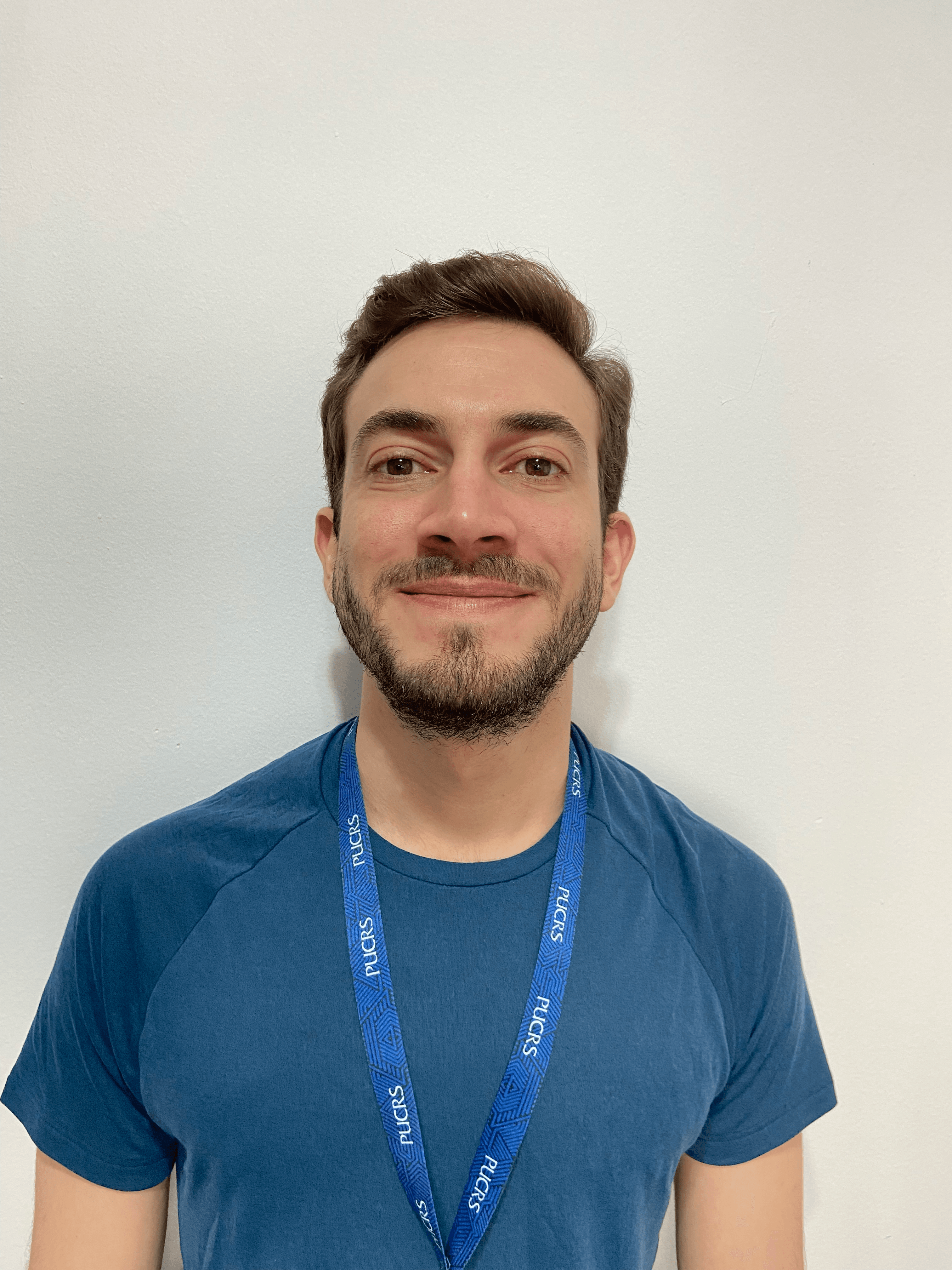
Ariel Moura Maia is a postdoctoral researcher in computational proteomics at the Center for Research in Molecular and Functional Biology (CPBMF) and the National Institute of Science and Technology in Tuberculosis (INCT-TB) in Porto Alegre, Brazil. He holds a Pharmacy/Pharmacology degree and a PhD in Cellular and Molecular Biology, where he developed a high-resolution proteomic map of 3D lung cancer models and built a data-processing pipeline to computationally deconvolve the confounding biochemical signals of Matrigel. During his PhD he published the human-matrigel database builder, a Galaxy workflow on usegalaxy.eu now integrated into his group’s standard proteomics protocol. His current postdoctoral project aims to build a model for peptide rescoring to enable systematic microprotein discovery by LC-MS/MS, with the goal of deploying the workflow as an open tool for the community.
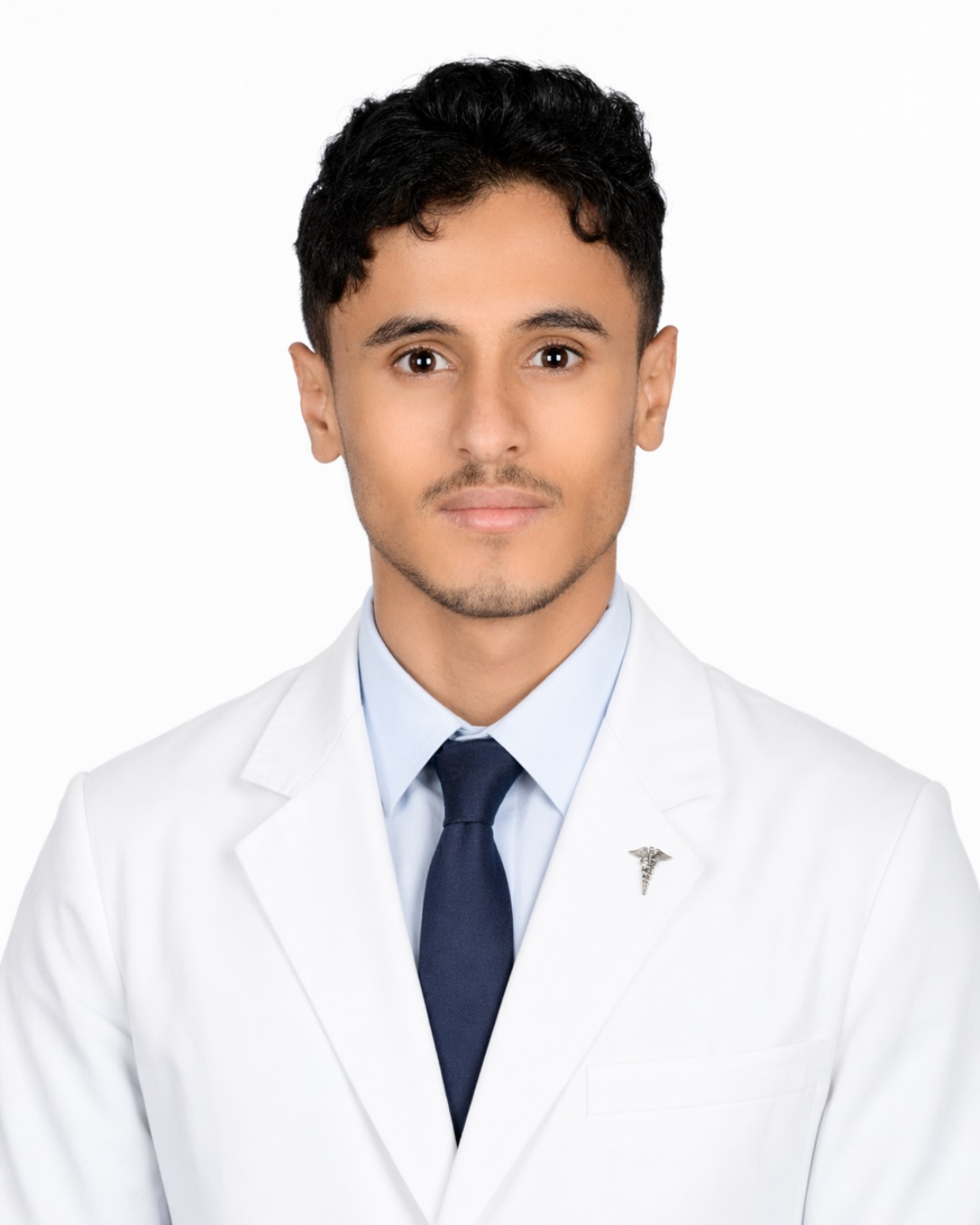
Yasser M. Al-Shawki is a Medical Scholar and MBBS candidate at Amran University in Yemen. His academic interests focus on clinical cardiology, global health metrics, and evidence synthesis applied to understanding disease burden in resource-limited healthcare systems. He has engaged in collaborative Global Burden of Disease (GBD)-related research activities coordinated by the Institute for Health Metrics and Evaluation (IHME), University of Washington, contributing to the interpretation and analysis of large-scale epidemiological data. His scholarly work includes a peer-reviewed publication on the global burden of undiagnosed congenital heart disease in Research Reports in Clinical Cardiology. His professional development includes 12 CPD-accredited activities recognized by the British Association of Dermatologists, spanning genetic, infectious, surgical, pediatric, and teledermatology domains, alongside rare autoimmune dermatological disorders. This clinical training supports his role as an academic peer reviewer for Forum Dermatologicum. His methodological interests include bioinformatics, microbiome research, and biomedical data analysis, with an emphasis on applying computational approaches to clinical and population health questions.
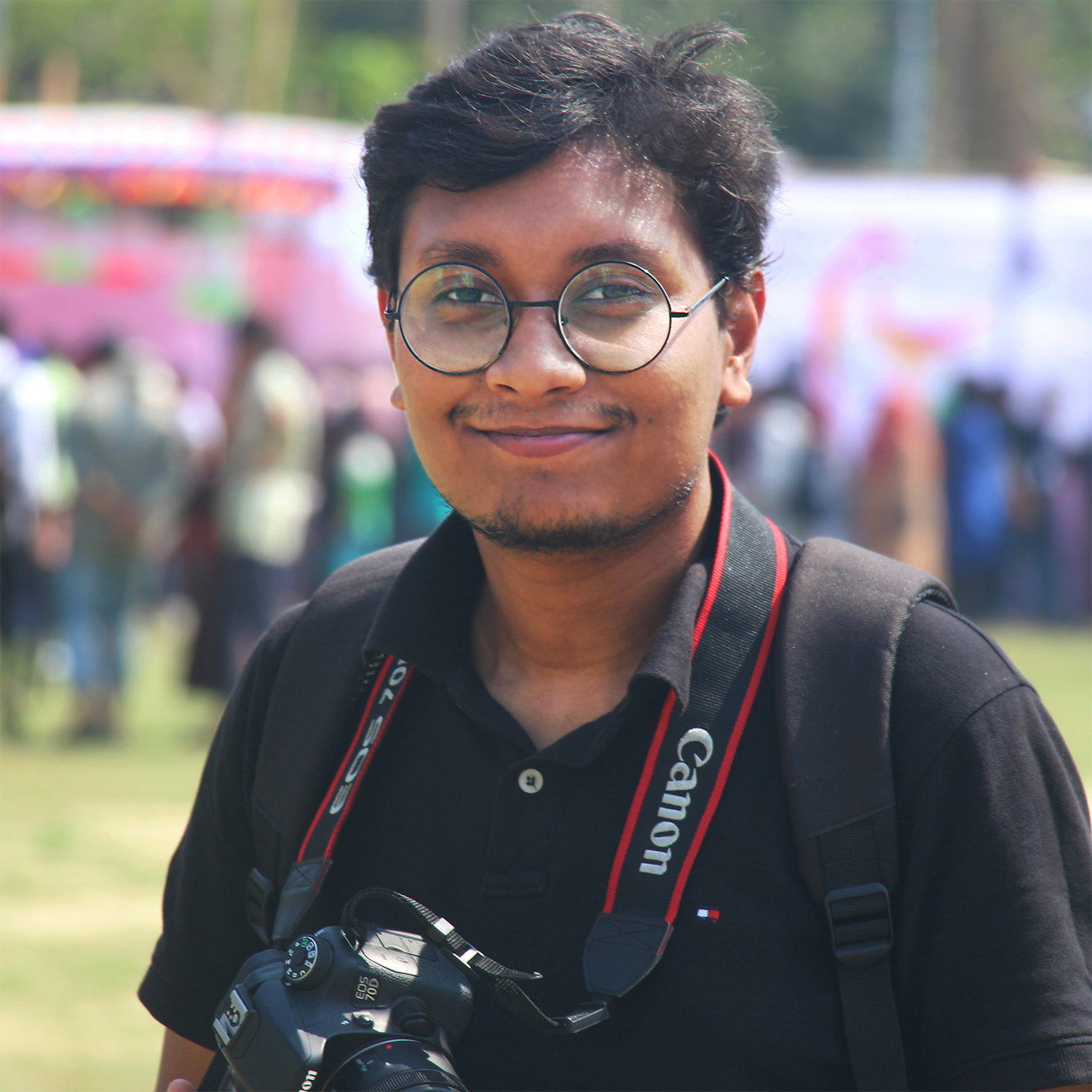
Arnab Bala is a veterinarian who completed his Master’s in Microbiology and is currently working with Dr. Himel Barua at the Department of Microbiology and Veterinary Public Health, Chattogram Veterinary and Animal Sciences University, Bangladesh. His research focuses on the molecular epidemiology of multidrug-resistant Escherichia coli, Salmonella enterica, and Campylobacter spp. in the poultry industry and its supply chain. Besides academia, he works part-time as a pet-animal medicine practitioner. Arnab’s future goal is to pursue a PhD in Microbiology or Bioinformatics related to the population genomics of zoonotic bacteria and antimicrobial resistance.

Comfort Danchal Vandu is a Medical Laboratory Scientist, Biomedical Educator, and Ph.D. student in Microbiology at Kampala International University-Western Campus, Uganda. She has over 29 years of experience in clinical diagnostics, laboratory management, teaching, research, and biomedical capacity building. Her research interests include antimicrobial resistance, ESKAPE pathogens, zoonoses, gut microbiota, bile acid transformation, global health, One Health approaches, and the application of bioinformatics in microbial genomics and infectious disease research. Her growing interest in bioinformatics, particularly for genomic analysis and antimicrobial resistance research, led her to participate in Galaxy Training Academy, where she continues to strengthen her skills in data-driven biomedical research. She is a Fellow of the West African Postgraduate College of Medical Laboratory Scientists, a 2025 ASM Future Leaders Mentorship Fellowship fellow, and founder/coordinator of the ASM Student Chapter at KIU-WC, where she supports scientific mentoring, student engagement, and academic development.
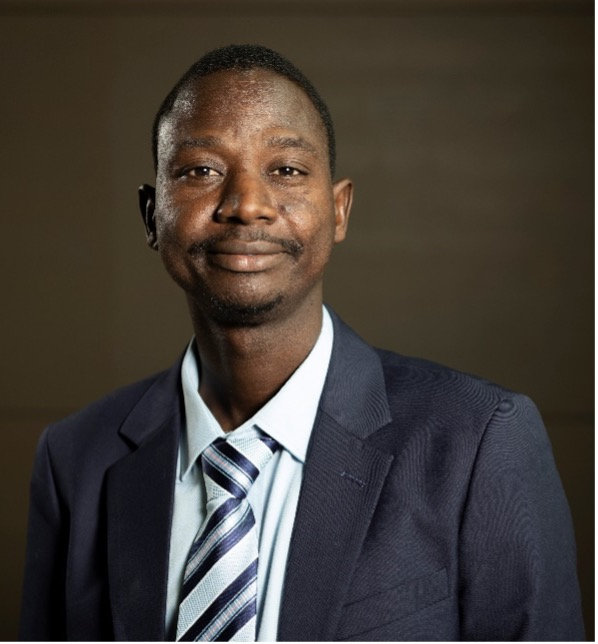
I am Dr. HAROUNA DIETE Souleymane, Specialist in Biochemistry of Natural Substances, Quality Manager, and Lecturer-Researcher (assistant) at the Laboratory of Nutrition and Valorization of Agro-resources (LNVA) at Abdou Moumouni University in Niamey, Niger.
My responsibilities primarily include teaching, laboratory management, supervising Master’s students during their internships and research.
Regarding teaching, I contribute to the Bachelor of Medical Biology program at the Higher Private School of Health - SUP SANTE, where I teach Metabolic Biochemistry, Bioenergetics, and Molecular Biology. I also teach Applied Chemistry to Nutrition in the Bachelor of Human Nutrition program at the Modern University of Health Sciences - UM2S, and Structural Biochemistry in the Bachelor of Agronomic Sciences program at the Faculty of Agronomy of Abdou Moumouni University in Niamey. In the laboratory, I am mainly responsible for stock management, welcoming and supervising Master’s students in the design of their research protocols, the biochemical analysis of their samples, the complex statistical processing of data, and the writing of dissertations.
As the Laboratory’s Quality Manager, I am responsible for compliance management and preparing documentation for ISO 17025 accreditation. We conduct internal audits and implement quality assurance systems to guarantee the reliability of our analyses. I also supervise and verify the laboratory’s administrative and financial records and draft proposals for scientific projects.
In terms of research, I focus on the use of local African plants in phytomedicines and functional foods to combat public health issues, including non-communicable diseases and nutritional deficiencies, employing advanced techniques in natural product biochemistry, including extraction, separation, metabolomics, and evaluation of the pharmacological activity of plant active ingredients in vitro and in vivo.
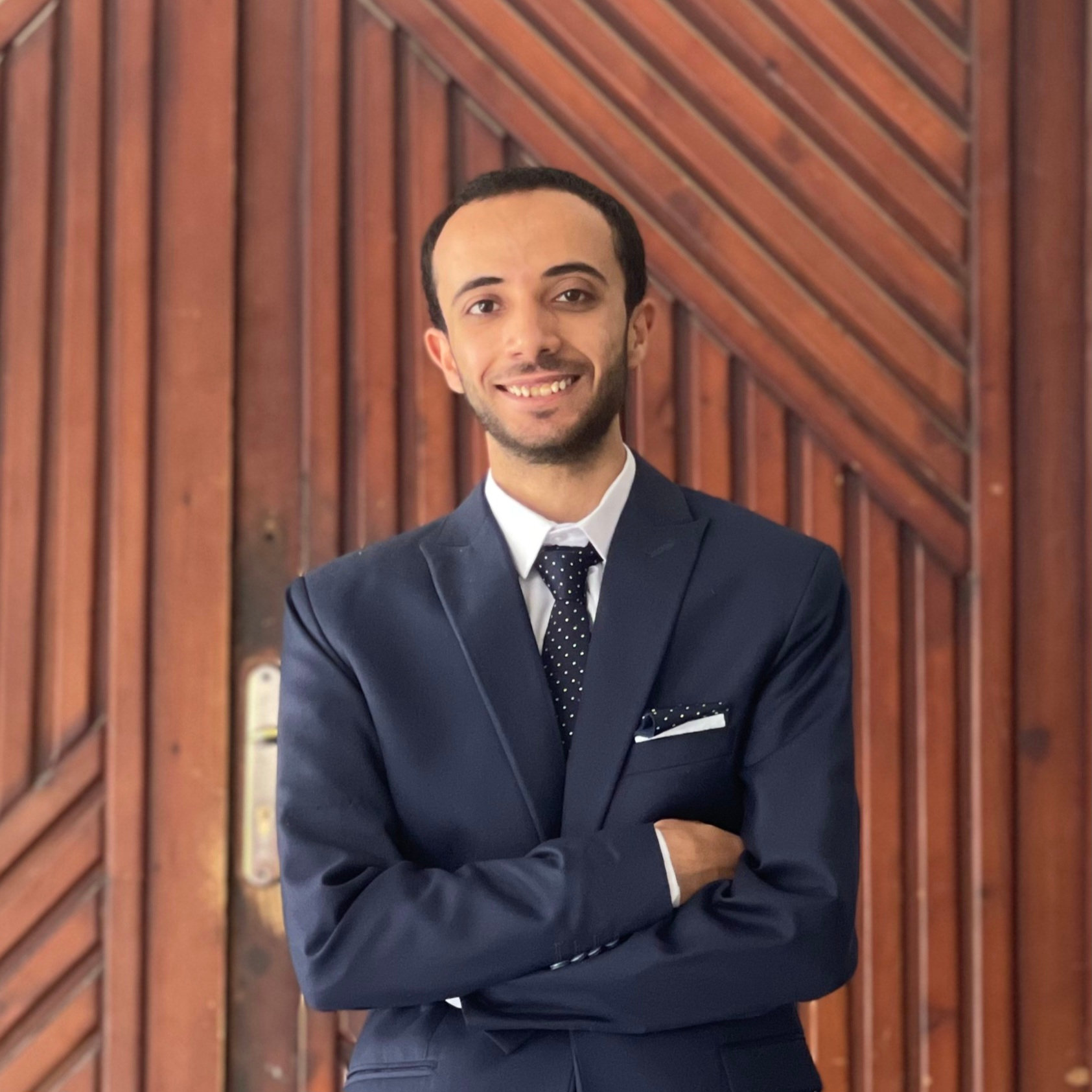
Elsayed Hussien is a junior researcher in biochemistry and molecular biology. His research interests lie in plant molecular biology, genetics, and biotechnology. Elsayed is particularly passionate about leveraging bioinformatics and multi-omics data analysis to interpret biological datasets and contribute to sustainable agricultural development.
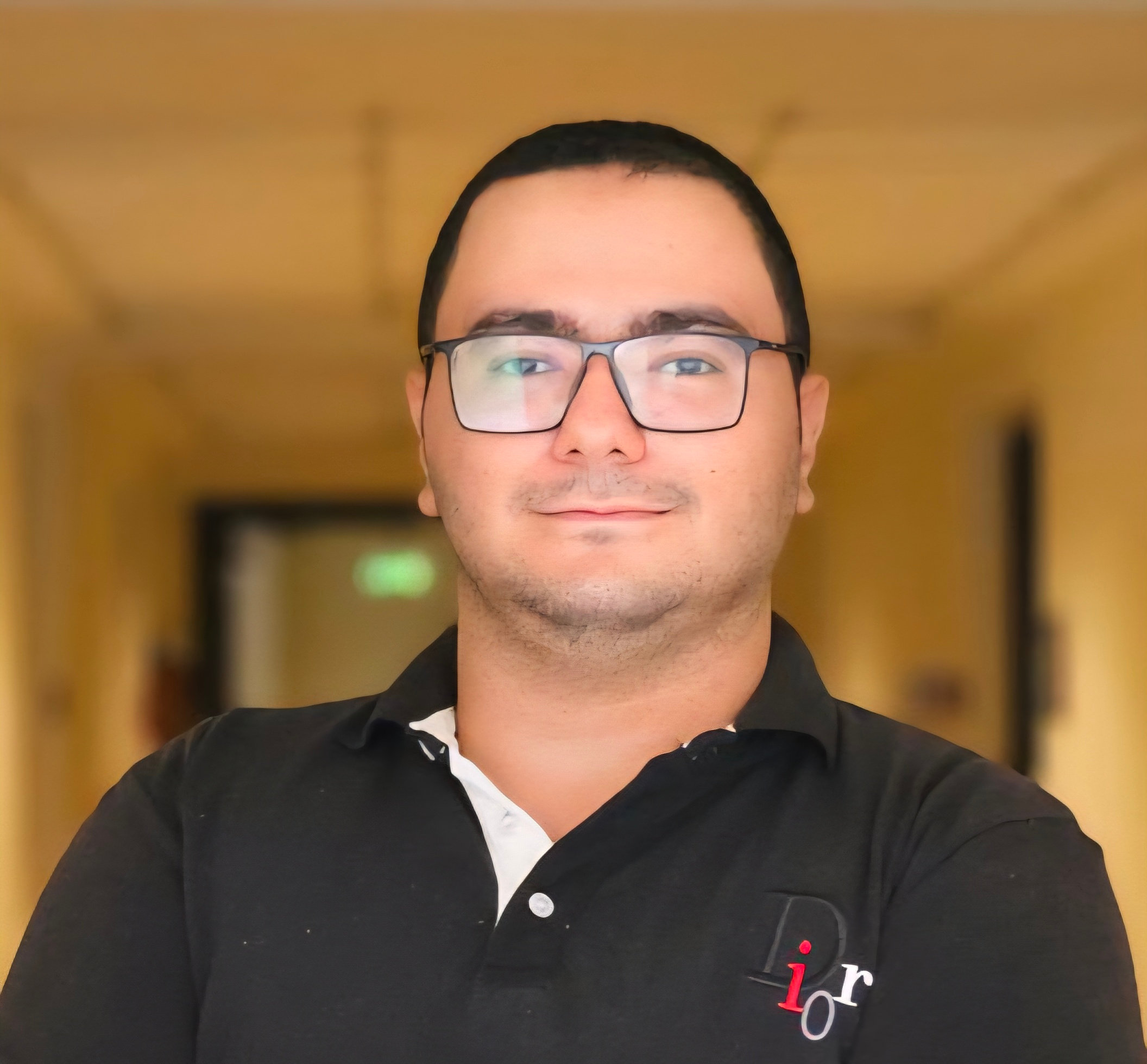
Mohamed H. Hussein is a Master’s student in Biochemistry and Molecular Biology at Ain Shams University, Egypt, specializing in molecular cancer biology, RNA biology, and bioinformatics. He is currently focused on integrating computational and experimental approaches to study gene regulation and cancer biomarkers. His interests include genomic, transcriptomic, and single-cell data analysis, with a growing focus on multi-omics approaches in translational cancer research.

Isabela Nunes is a Direct PhD candidate in Genetics at the Federal University of São Paulo (UNIFESP), Brazil. Her research focuses on the discovery of pre-surgical molecular markers for thyroid cancer diagnosis, applying genomic and transcriptomic approaches to improve the molecular characterization of thyroid tumors and support precision medicine strategies. She holds a B.Sc. in Biomedicine from UNIFESP and has over five years of experience in thyroid cancer research. Her expertise includes NGS data analysis, including targeted gene panels, WES and RNA-seq, as well as bioinformatics workflow development using R and Bash, and wet lab experience in molecular biology techniques, including nucleic acid extraction, PCR, Sanger sequencing, and NGS library preparation.
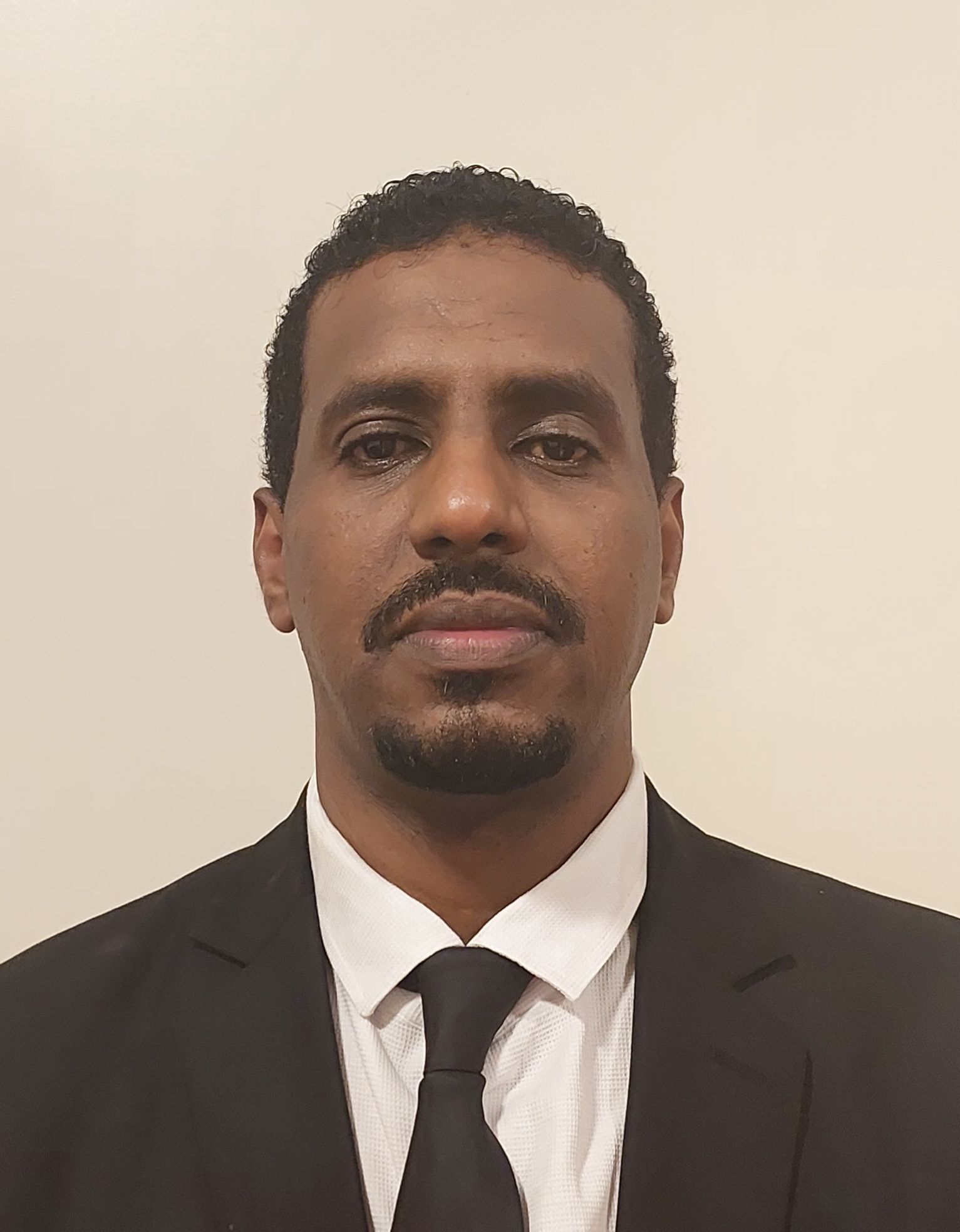
Dr. Loai A. Siddig is a molecular biologist from Sudan with interests in molecular diagnostics, genomics, bioinformatics, and next-generation sequencing (NGS). He is committed to advancing molecular biology research through the application of computational and bioinformatics tools. His professional interests include genomic data analysis, molecular diagnostics, and bioinformatics education. Through continuous training and engagement with international scientific communities, he seeks to strengthen research capacity and promote accessible bioinformatics education for scientists and students.
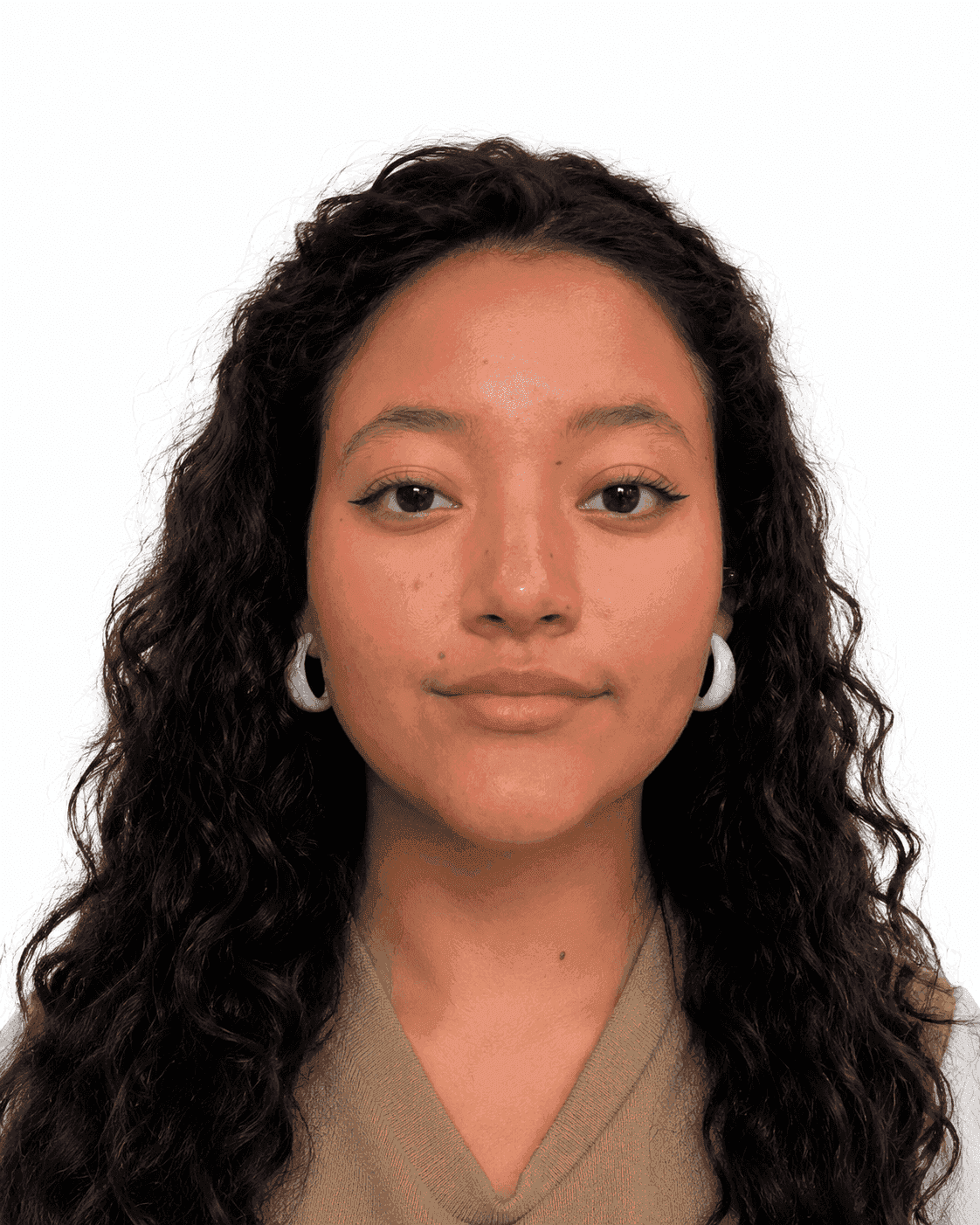
Milena Bonilla-Jiménez is a Biology undergraduate student at the Central University of Ecuador with a strong interest in amphibian biology and conservation. Her current research focuses on visual gene expression in Amazonian frogs using transcriptomic tools. She is passionate about biodiversity research and hopes to contribute to the conservation of Ecuador’s unique ecosystems through science.
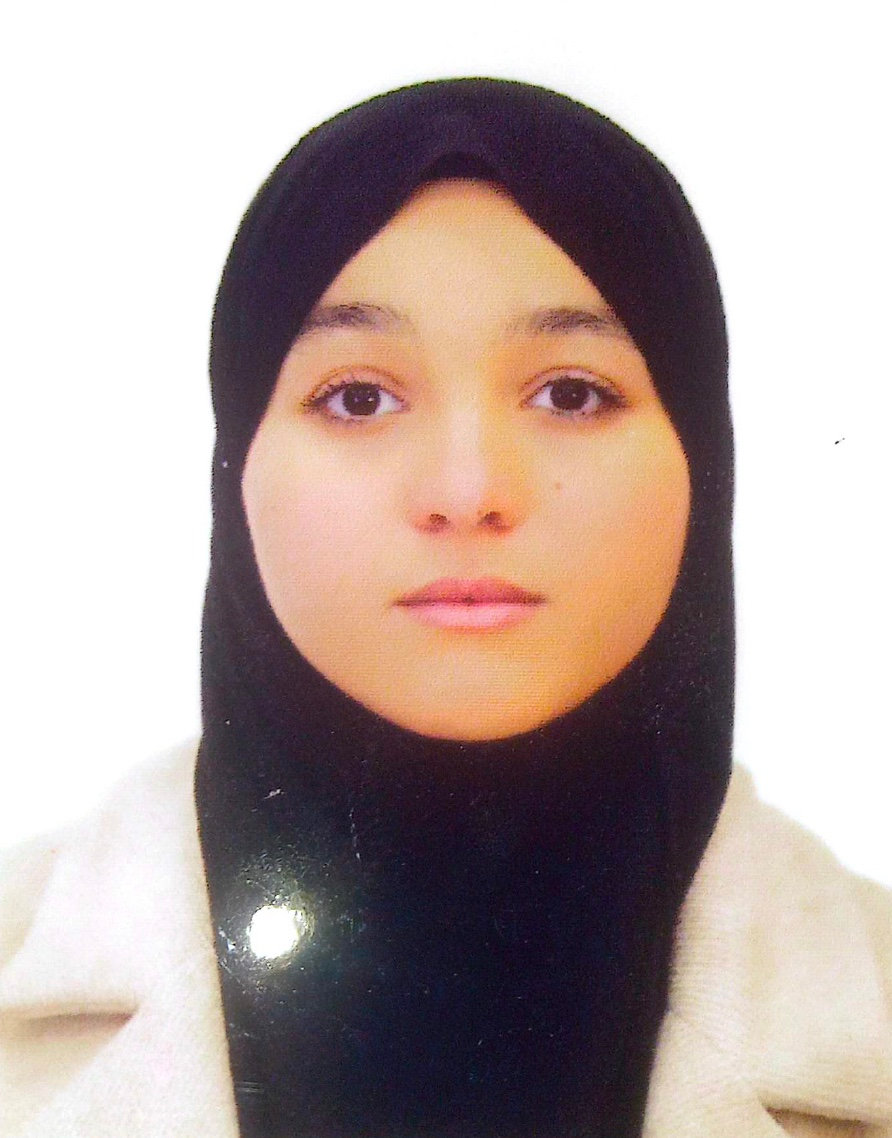
Rahal Asma is an applied biochemistry graduate from Algeria with a strong interest in bioinformatics, biotechnology, and biomedical research. Her master’s research focused on the extraction and characterization of bioactive molecules from hydrocarbonoclastic bacteria, exploring their potential applications in biotechnology and health-related fields.
Beyond her academic studies, Asma is actively involved in international educational and research initiatives, including research mentorship and scientific communication. She is passionate about integrating experimental biochemistry with bioinformatics approaches to advance scientific discovery and address challenges in health and life sciences.
As a recipient of the GCC2026 + GTA2026 Virtual Scholarship Award, Asma looks forward to engaging with a global community of researchers and innovators, expanding her expertise in emerging technologies, and contributing to collaborative scientific research.
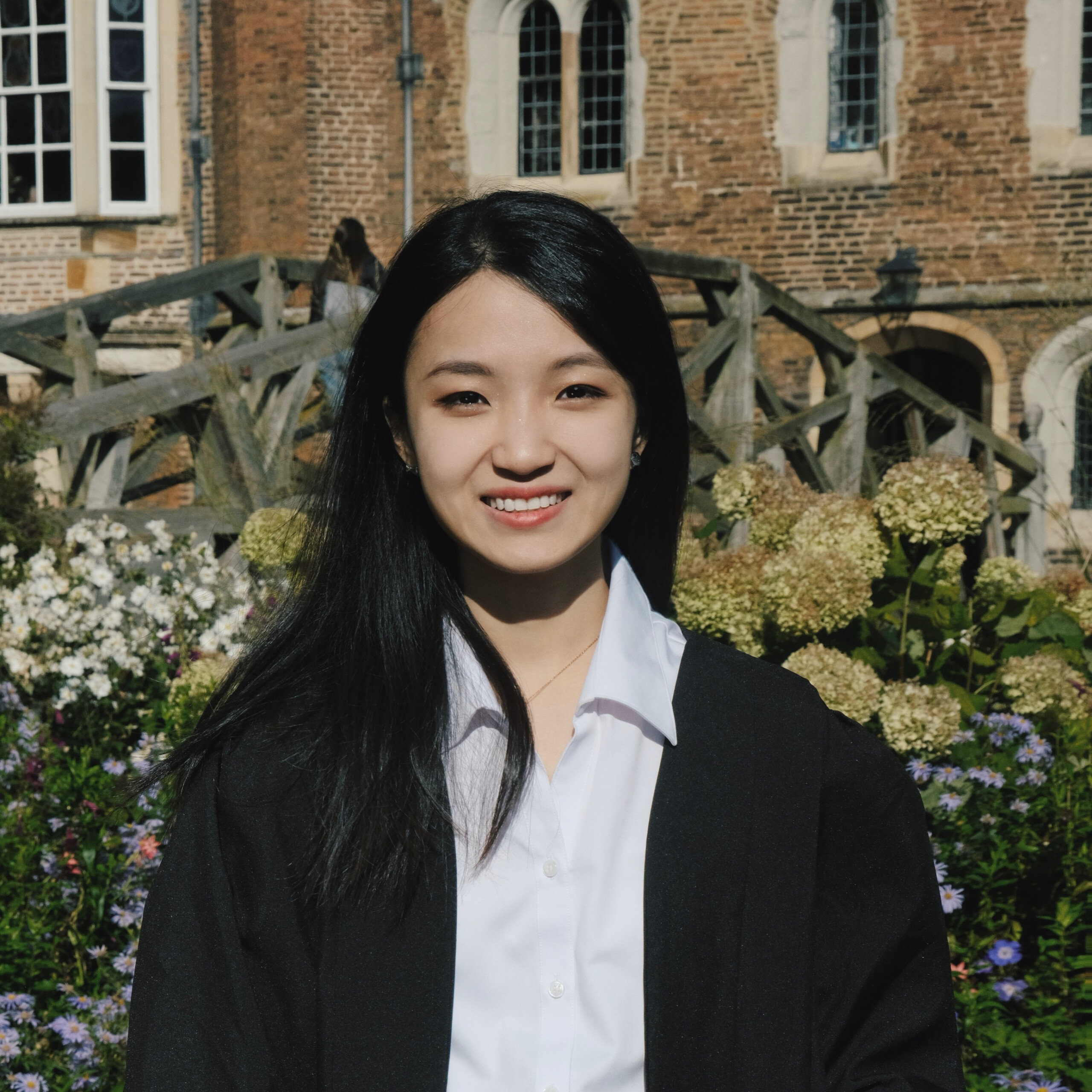
Ruicen Li is a PhD student in Digital Humanities at the University of Cambridge. Her research focuses on digital media cultures and online communities in contemporary East Asia, using a mixed-methods approach that combines computational tools with cultural studies. By participating in the Galaxy Training Academy 2026, she has explored how Galaxy’s open-source workflows and modules can optimise multimodal data analysis and visualisation in humanities research. She hopes to further bridge advanced computational pipelines with digital humanities studies.

Katia Sawalha holds a Bachelor’s degree in Medical Laboratory Sciences and has experience in biomedical research, scientific writing, data analysis, and global health initiatives. She has contributed to international research projects and scientific education programs while serving in leadership, mentorship, and community engagement roles, including mentoring young researchers through the New York Academy of Sciences (NYAS) and Jordan Young Scientists (JOYS), supporting youth health initiatives through the Royal Health Awareness Society (RHAS), leading international collaborations at Universal Medicine Initiative (UMI), contributing to educational programs through iLearn, and advancing community outreach and communication with Pro Terra Sancta (PTS). Katia has also served as an invited peer reviewer for the Electronic Journal of the International Federation of Clinical Chemistry and Laboratory Medicine (eJIFCC), Molecular and Cellular Biology (Taylor & Francis), and the American Society of Clinical Oncology (ASCO), reflecting her commitment to scientific excellence, youth empowerment, and global health impact.
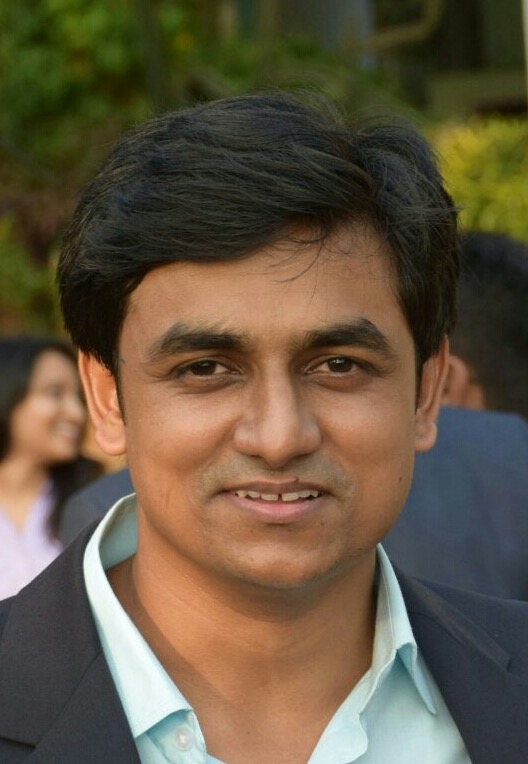
Sudheer Salana is a postdoctoral associate in the Department of Chemical, Environmental, and Materials Engineering at the University of Miami, where his work integrates environmental engineering, microbiology, public health, and exposure science. He received his Ph.D. in Environmental Engineering from the University of Illinois Urbana-Champaign, where he developed expertise in assessing the toxicity of airborne particulate matter using a combination of chemical and biological approaches. His research focuses on understanding how chemical and biological contaminants, both individually and in combination, influence human and ecosystem health, with particular emphasis on urban environments. His academic and research experience spans multiple institutions in India and the US, where he has contributed to internationally collaborative projects on sustainable environmental technologies, ambient air quality, and indoor air emissions. Across these efforts, he has applied an engineering-driven approach to generate data that informs strategies to reduce disease transmission through bioaerosol source control and to improve the assessment of health risks associated with both indoor and outdoor air pollution.
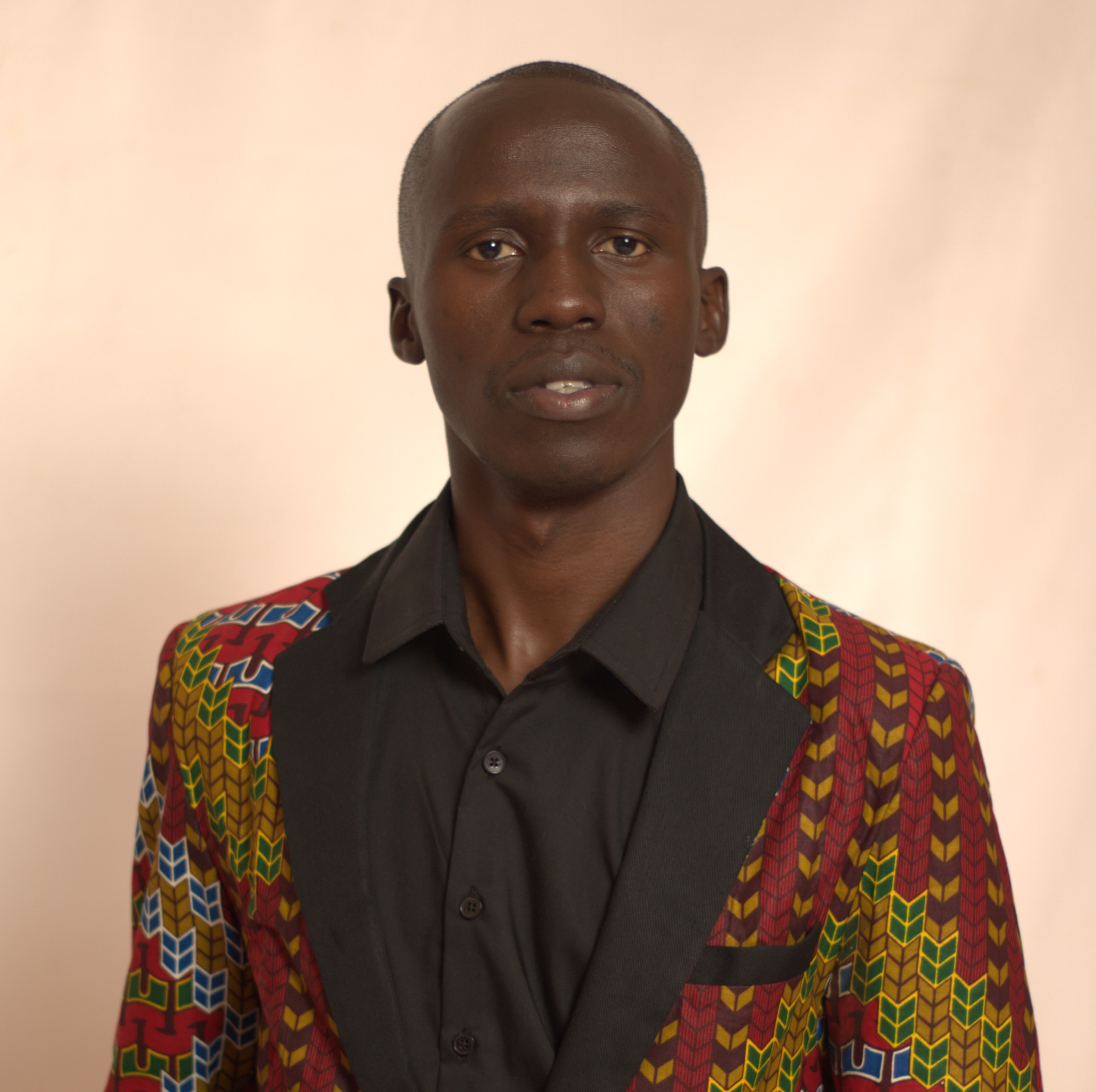
Tawanda Proceed Makopa is a PhD researcher investigating the biodiversity, genomics, and biotechnological potential of environmental yeasts from the Okavango Delta, Botswana. His research integrates microbial ecology, genome sequencing, bioinformatics, and fermentation technology to explore yeast evolution, adaptation, and functional traits, including the discovery and characterization of potentially novel species. He is also a lecturer in Bioinformatics at the National University of Science and Technology (NUST), Zimbabwe, where he teaches and mentors students in genomics, bioinformatics, and related life science disciplines. Through collaborative research with the Botswana International University of Science and Technology (BIUST) and the Institute of Agrochemistry and Food Technology (IATA-CSIC, Spain), he has developed expertise in genome assembly, comparative genomics, and reproducible bioinformatics workflows using the Galaxy platform. He is passionate about capacity building in bioinformatics across Africa and applying genomic technologies to address challenges in agricultural biotechnology and sustainable development. His long-term goal is to contribute to the growth of genomics research, bioinformatics training, and innovation-driven solutions that support Africa’s emerging bioeconomy.
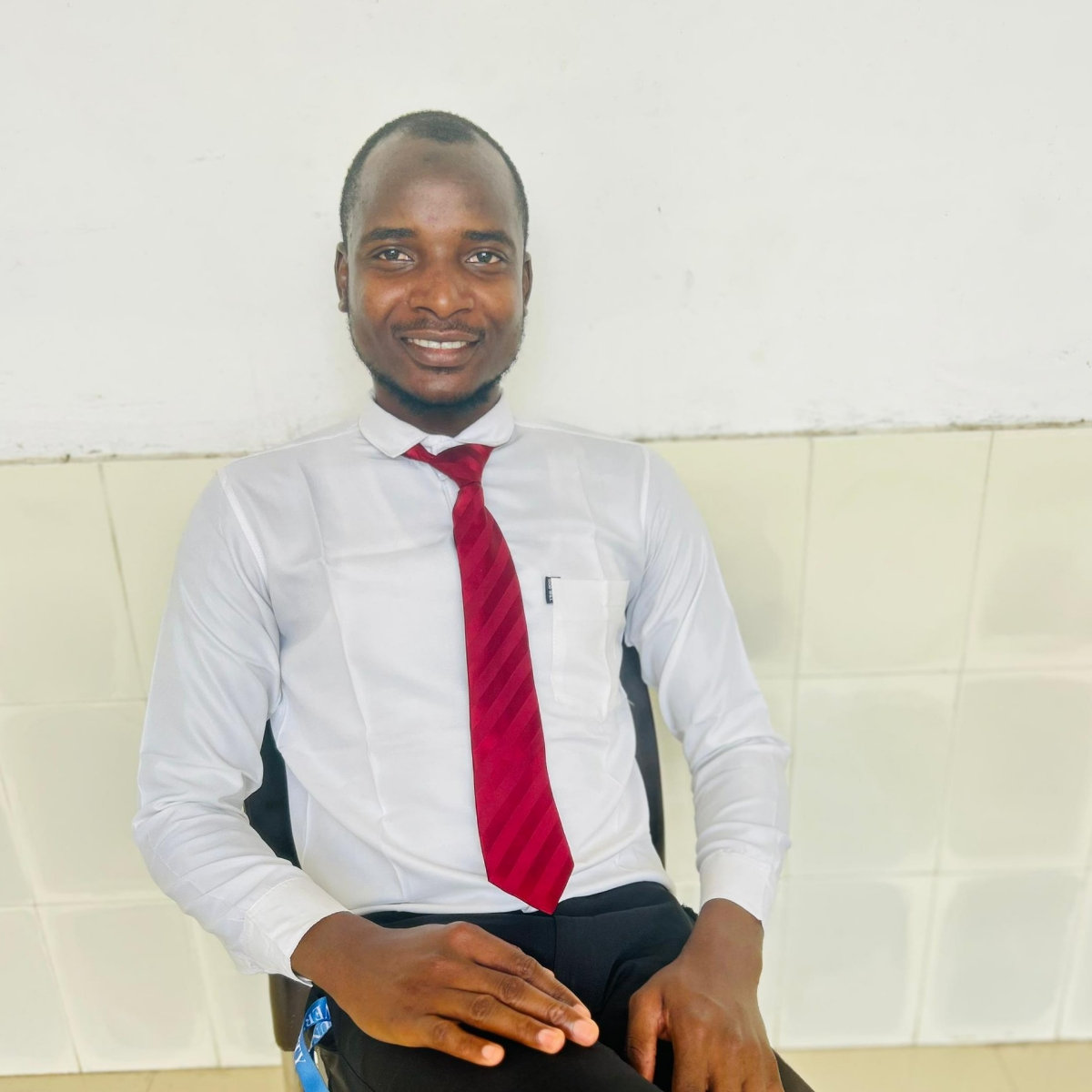
Usman Yalwa Ibrahim is an MSc Bioinformatics candidate at Kalinga University, India, where he is studying under a merit-based fully funded government scholarship. He holds a BSc in Zoology from Bayero University Kano, Nigeria.
His academic interests lie in cancer genomics, computational biology, population genomics, and AI-driven precision medicine. He is particularly interested in applying bioinformatics and multi-omics approaches to understand disease mechanisms and advance precision healthcare in underrepresented populations, especially across Africa and Asia.
Usman has participated in specialized training programs, including Galaxy Project training and a workshop on Bioinformatics in Cancer Research at the Indian Institute of Technology (IIT) Bhubaneswar. He is also actively developing skills in genomic data science, bioinformatics, and computational research methods.
Through his academic and professional journey, he aims to contribute to the growing integration of genomics, data science, and artificial intelligence in biomedical research and healthcare.

Vhulenda Ramothibedi is a Master of Science (Animal Genomics) candidate based in South Africa, with a BSc in Agriculture (Animal Production). Her research focuses on de novo genome assembly and whole-genome characterization of indigenous poultry genetic resources, including the Venda chicken, one of South Africa’s indigenous chicken breeds. Her current research involves advanced bioinformatics pipelines including Galaxy workflows, high-throughput data analysis, comparative genomics, and phylogenetics to decode the genomic architecture of climate resilience and disease resistance in locally adapted livestock.
Bridging research and practice, Vhulenda has served in agricultural advisory and community-based agricultural development roles, focusing on farmer support, knowledge transfer, and community engagement to strengthen local production systems and improve decision-making in smallholder farming contexts. Her professional portfolio includes capacity building initiatives that empower farmers through practical, accessible agricultural knowledge delivered at their level of understanding.
Inspired by advancements in genomic technologies and driven by the intersection of open-source science and food security, her work also contributes to broader efforts aimed at strengthening food security, preserving animal genetic resources, and promoting sustainable agriculture in South Africa and beyond. She is deeply passionate about using open-source science and genomics to build a climate-resilient future for African agriculture and beyond, with research interests applicable to securing regional food safety against emerging climate and pathogen threats. She aspires to contribute to the conservation and improved utilization of animal genetic resources while supporting rural development and sustainable agricultural systems through practical, applied research that is responsive to everyday agricultural challenges.
Questions?
For questions about JXTX or JJ Fund fellowships, please visit the JXTX Foundation website or contact them directly.
For questions about Galaxy Community Fund scholarships, please contact the GCC2026 organizing committee.
The JXTX Foundation honors the legacy of James P. Taylor, a pioneering genomics and data science researcher and beloved mentor. The JJ Fund supports graduate students and postdoctoral researchers in genomics and data-intensive biology.